
Unraveling the Enigma of Troy's Disappearance
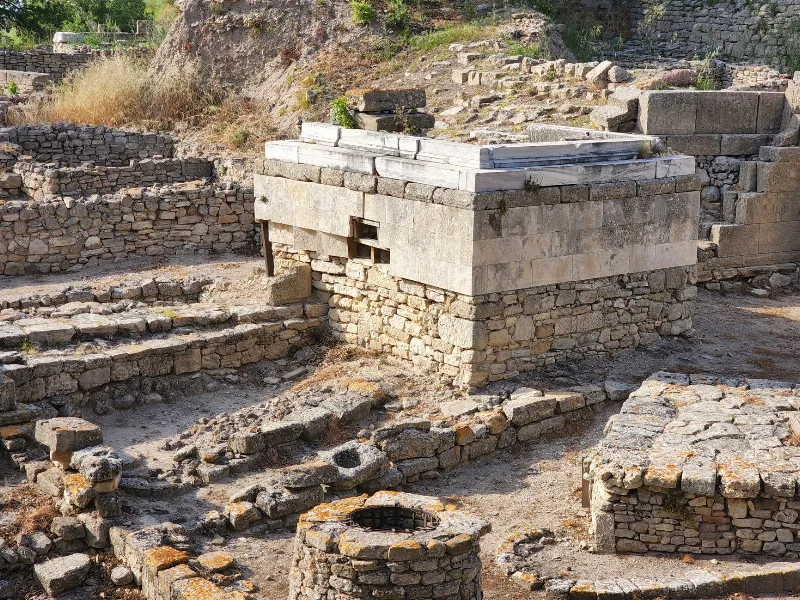

In the quiet hills of northwest Turkey, a series of ruins whisper tales of an ancient civilization that once thrived. A bustling city, adorned with walls that echoed the clash of swords and trade routes that connected diverse cultures, Troy stood as a testament to human ambition and conflict. Yet, as archaeologists unearthed its remnants, a profound question emerged: Was Troy a city of myth or a reality lost to time?
The legend of Troy, immortalized in Homer's epics, paints a vivid picture of a city besieged by Greek forces over a fabled beauty, Helen. This narrative, rich with gods and heroes, has often overshadowed the complex historical backdrop of the city. However, beneath the layers of myth lies the real Troy, a place that faced multiple invasions and transformations over centuries.
Shifts in Power and Culture
Archaeological excavations reveal that Troy was not a singular city but a series of settlements built over millennia, each one reflecting the cultural shifts and power struggles of its time. The site shows evidence of destruction, rebuilding, and cultural amalgamation, indicating that Troy was a focal point for various civilizations. The Hittites, Greeks, and later the Romans all left their mark on this critical juncture of trade and warfare.
During the late Bronze Age, Troy flourished as a strategic hub. Its location near the Dardanelles made it vital for controlling maritime trade routes, allowing it to prosper economically. However, this wealth also attracted enemies, and as rival powers emerged, the city faced increasing threats. The final destruction of Troy VI, around 1250 BCE, is often attributed to a combination of warfare and natural disasters, leading to its eventual decline.
The Archaeological Quest
Modern archaeology began to unravel the mystery of Troy in the 19th century with Heinrich Schliemann's ambitious excavations. His discoveries ignited intrigue and skepticism, as he claimed to have found the legendary city described in the Iliad. Subsequent excavations revealed multiple layers of occupation, offering glimpses into the lives of its inhabitants and the factors contributing to its decline.
Despite these findings, debates continue regarding the accuracy of historical accounts and the extent to which the legends of Troy reflect reality. The interplay of myth and fact raises questions about how narratives shape our understanding of history and identity. Every artifact unearthed adds context, yet many mysteries remain, leaving historians and enthusiasts alike to ponder: What truly happened to the Lost City of Troy?
As the sun sets over the ruins, casting long shadows on the ancient stones, the enigma of Troy endures. It stands not merely as a relic of the past but as a symbol of the intersection between myth and history, where every discovery prompts new questions about humanity's journey through time.
Hungry for more?
Explore thousands of insights across all categories.
