
Archaeological Insights Uncover What Led to Pompeii's Rediscovery
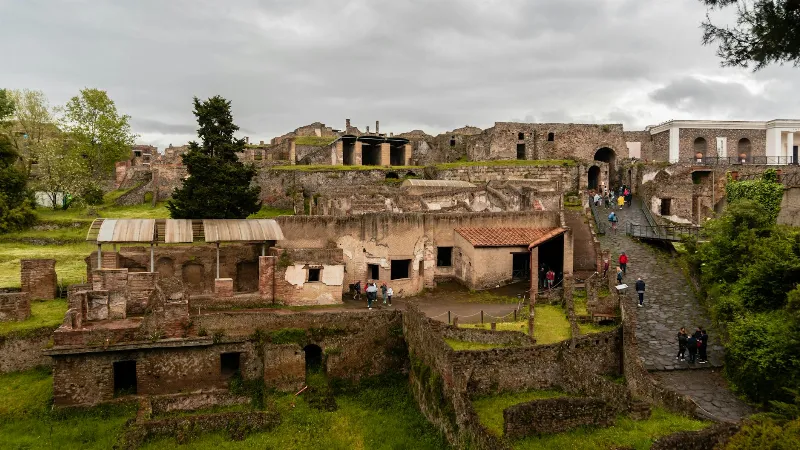

Amidst the quiet rustle of leaves and the distant echoes of modern life, the ancient city of Pompeii lay buried beneath layers of ash and stone, a silent witness to its own destruction. The year was 1748 when a group of workers, while digging for materials to build a palace, unearthed remnants of walls and artifacts that hinted at a hidden world beneath the earth. No one could have anticipated the profound impact this moment would have on the understanding of ancient Roman life.
Curiosity Meets Ambition
The initial discovery ignited curiosity among scholars and antiquarians, who were captivated by the possibility of uncovering a Roman city preserved in time. As excavations progressed, the ambition grew. Notably, the Neapolitan architect Domenico Fontana recognized the potential of these findings, advocating for systematic excavations. His efforts marked the beginning of a new chapter in archaeology, where methodical approaches began to replace haphazard digging.
By the 1760s, the excitement surrounding Pompeii intensified. European intellectuals, drawn by the allure of classical antiquity, flocked to the site. They envisioned Pompeii not just as ruins but as a treasure trove of knowledge about Roman culture, architecture, and daily life. The discoveries included frescoes, pottery, and even the charred remains of citizens caught in the eruption, offering a haunting glimpse into the past.
Cultural Impact and Historical Significance
As Pompeii was gradually revealed, it transformed perceptions of antiquity. The city became a touchstone for art, inspiring neoclassical movements and influencing architecture across Europe. The meticulous preservation of everyday objects offered an unprecedented look at Roman domestic life, from the layout of homes to the intricacies of their social customs.
However, the implications of Pompeii's rediscovery extended beyond aesthetics. It prompted discussions about the fragility of civilization and the power of nature, reminding society that even the mightiest can be brought low by unforeseeable disasters. Through its excavation, Pompeii became a symbol of resilience, a reminder of the enduring human spirit amidst catastrophe.
As the 19th century approached, ongoing excavations began to reveal not just the physical remnants of Pompeii, but also the deeper narratives of loss and survival. The work of archaeologists and historians transformed the city into a living history lesson, a site where past and present intersected.
In the quiet aftermath of discovery, the echoes of Pompeii continue to resonate. The city, once lost to time, has become a gateway to understanding the complexities of human experience, its lessons carved in ash and stone, waiting to be explored further.
Hungry for more?
Explore thousands of insights across all categories.
