
What Caused the Fall of the Khmer Empire

A Glorious Past
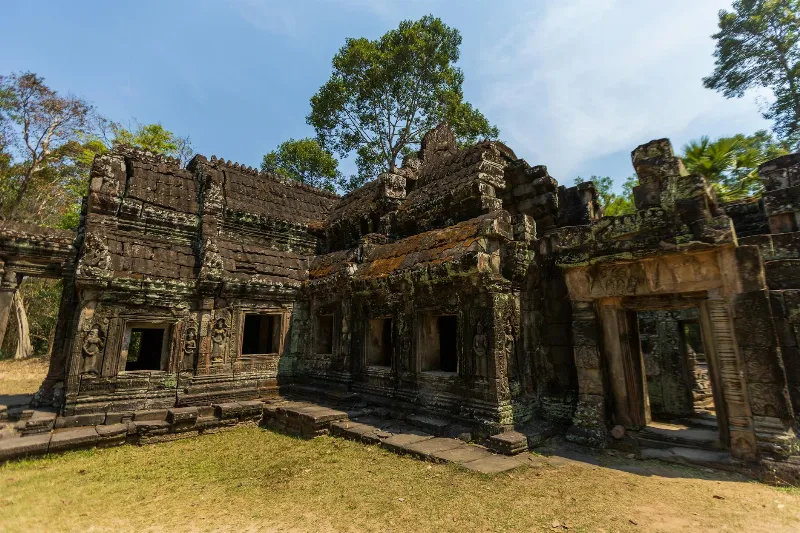
The Khmer Empire, flourishing from the 9th to the 15th centuries, was known for its impressive architecture, including the magnificent Angkor Wat. At its peak, it spanned much of present-day Cambodia, Thailand, Laos, and Vietnam. This empire was not only a center of political power but also a vibrant hub of culture and religion. However, by the late 15th century, the once-thriving civilization began to crumble, leading to its eventual fall.
Internal Strife and Power Struggles
One of the primary factors contributing to the decline was internal conflict. The Khmer Empire faced a series of power struggles and civil wars, often fueled by rivalry among the elite. Various factions vied for control, weakening the central authority. Notably, the assassination of King Jayavarman VII in the late 12th century marked a turning point, leading to a succession crisis that further destabilized the empire.
Environmental Challenges
Environmental factors also played a crucial role in the fall of the Khmer Empire. The empire relied heavily on an intricate system of irrigation for rice cultivation. However, shifts in climate led to periods of drought and flooding, disrupting agriculture. The ensuing food shortages caused discontent among the populace and diminished the empire's ability to sustain its population and military.
External Pressures and Invasions
As internal issues escalated, external threats emerged. Neighboring states, particularly the Siamese and Vietnamese, capitalized on the weakening Khmer Empire. In the 15th century, the Thai kingdom of Ayutthaya invaded and captured Angkor, further eroding Khmer power. These invasions not only stripped the empire of its resources but also led to significant territorial losses.
A Complex Legacy
The fall of the Khmer Empire was not the result of a single event but rather a confluence of internal and external factors. The empire's rich cultural legacy, visible in its architecture and art, remains a testament to its historical significance. While the empire eventually declined, its influence can still be seen in modern Southeast Asian culture.
Hungry for more?
Explore thousands of insights across all categories.
