
Factors Behind the Decline of the Roman Empire
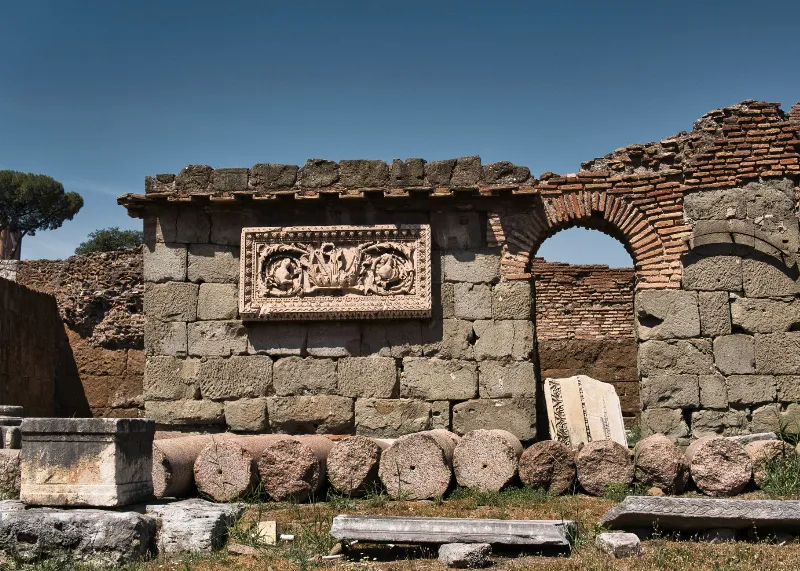

In the bustling streets of Rome, merchants peddled their goods, and politicians crafted alliances, but underneath this façade of stability, tensions simmered. The Roman Empire had reached its zenith, yet whispers of discontent and decay were audible to those who listened. Internal strife, fueled by political corruption and civil wars, was slowly eroding the foundations of this once-mighty civilization.
Internal Conflicts and Political Turmoil
As the empire expanded, so did the challenges of governing such vast territories. The political landscape became a battleground, marked by power struggles among generals and emperors. In the 3rd century AD, a series of short-lived emperors rose and fell, often victims of assassinations and coups. This instability created a vacuum that undermined effective governance and led to rampant corruption. Citizens grew disillusioned as the government failed to address their needs, fueling further unrest.
Economic Decline and Social Unrest
Simultaneously, economic challenges plagued the empire. Heavy taxation and inflation strained the populace, leading to widespread poverty. The reliance on slave labor stifled innovation and economic growth, while trade routes became increasingly vulnerable to disruption. As the empire's wealth dwindled, social unrest surged. Riots erupted in cities, reflecting the growing frustration among the lower classes who felt abandoned by their leaders.
External Pressures and Barbarian Invasions
While internal issues festered, external pressures mounted. The empire faced relentless attacks from various groups, including the Visigoths, Vandals, and Huns. In 410 AD, the Visigoths famously sacked Rome, an event that symbolized the empire's vulnerability. These invasions not only stripped the empire of resources but also instilled fear and uncertainty among its citizens, further destabilizing the region. The military, once a formidable force, struggled to defend the borders, leading to a gradual loss of territory.
As the 5th century approached, the culmination of these factors became increasingly evident. The Roman Empire, once a symbol of power and culture, was crumbling under the weight of its challenges. The fall was not a singular event but a complex process, marked by a series of choices and consequences that reshaped the course of history.
Hungry for more?
Explore thousands of insights across all categories.
