
What Led to the Enigma of Cahokia's Vanished Civilization
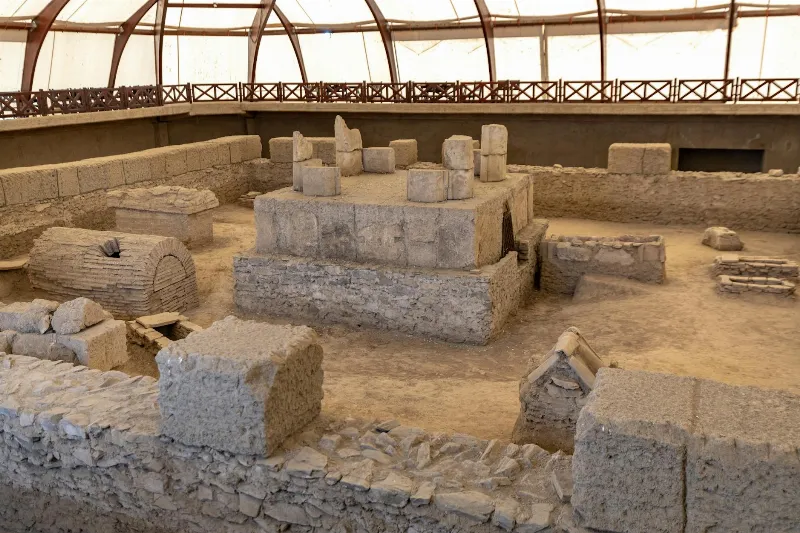

In the vibrant heart of present-day Illinois, the city of Cahokia once flourished, marked by its impressive earthen mounds and a bustling population. As you walk through the remnants of this ancient metropolis, the silence is profound, echoing the lives of thousands who once thrived here. Cahokia was not just a settlement; it was a complex urban environment, a hub of trade, culture, and governance, teeming with activity.
At its peak around 1100 AD, Cahokia was home to an estimated 20,000 to 40,000 people, making it one of the largest cities in the world at that time. Mounds like Monk's Mound towered over the landscape, serving as ceremonial and political centers. The city’s layout, with its aligned roads and plazas, reflects a sophisticated understanding of urban planning. However, despite its grandeur, Cahokia faced eventual decline, leaving scholars with a perplexing mystery.
Environmental Challenges
One significant factor contributing to the decline of Cahokia was environmental change. The region surrounding the city was rich in resources, but over time, agricultural practices began to take a toll on the land. Deforestation for farming and construction led to soil depletion, impacting food production. As crops became less reliable, the population faced food shortages, straining the community’s social fabric.
Additionally, climate shifts may have played a crucial role. Archaeological evidence suggests that periods of drought coincided with the city’s decline. These changes would have exacerbated existing agricultural pressures, leading to further instability within the community. Such environmental stresses could have prompted migrations or conflicts as inhabitants sought more fertile lands.
Social and Political Turmoil
Amidst environmental challenges, social strife began to unfold. The centralized power structure that governed Cahokia faced increasing pressure as resources dwindled. Competition for food and land may have intensified, leading to internal conflicts. Archaeological findings indicate evidence of violence and warfare, suggesting that factions within the city fought for dwindling resources.
This societal upheaval could have contributed to a collapse of the political systems that once held the city together. As leadership became fragmented, the unity that had fostered Cahokia's growth began to erode. The loss of collective identity may have left the inhabitants vulnerable to external pressures, further hastening the city's decline.
As we reflect on the story of Cahokia, the remnants of this once-great city serve as a somber reminder of the delicate balance between civilization and the environment. The mystery of its fall remains a compelling chapter in the annals of history, inviting ongoing exploration and understanding.
Hungry for more?
Explore thousands of insights across all categories.
