
Unveiling the Truth Behind the Lost City of Troy
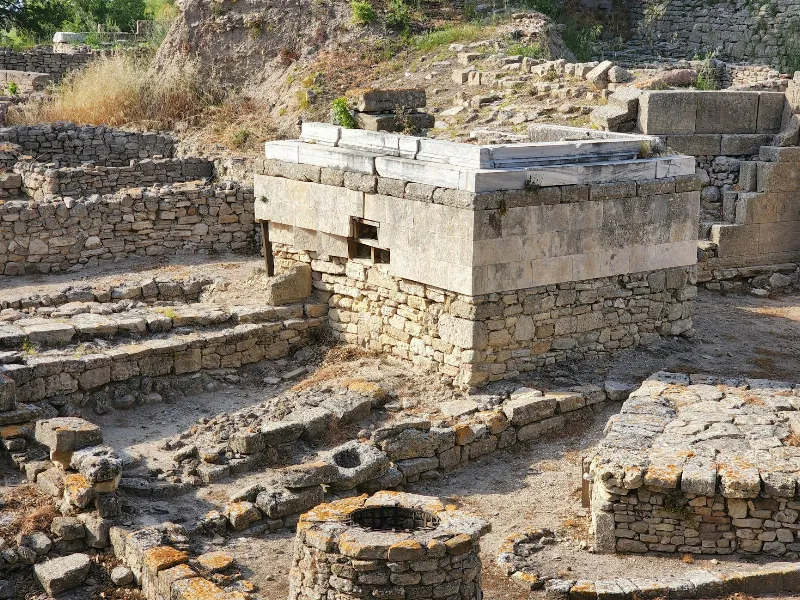

Echoes of War
In the heart of the ancient city of Troy, the air crackled with tension as armies gathered for a confrontation that would echo through history. Homer's tales of the Trojan War, filled with gods, heroes, and tragic love, painted a vivid picture of a city besieged. Yet, beneath the epic narratives, evidence suggests that the fall of Troy may not have been solely due to war.
Shifting Alliances and Natural Disasters
Archaeological findings indicate that Troy experienced multiple layers of destruction, hinting at a complex history of siege and rebuilding. Some theories propose that shifting trade routes and alliances weakened Troy's position, making it vulnerable. Additionally, natural disasters such as earthquakes may have played a significant role, destabilizing the structures and society within the city.
While the stories of the Greeks' cunning and the infamous Trojan Horse are captivating, they may overshadow the multifaceted reality of Troy's decline. The city's inhabitants faced not only external threats but also internal strife, which contributed to its eventual downfall.
A Legacy of Learning
As the dust settled over the ruins of Troy, the lessons embedded in its history began to resurface. Scholars and adventurers, drawn to its legendary status, unearthed artifacts that revealed the daily lives of its citizens. This blend of myth and reality has influenced literature and culture, inspiring countless works that explore the human condition.
Today, Troy stands as a testament to the complexities of civilization, a reminder that history is often layered with both fact and fiction. The allure of its mystery continues to invite exploration and debate, ensuring its place in the annals of time.
Hungry for more?
Explore thousands of insights across all categories.
