
Unveiling the Secrets of Petra's Disappearance
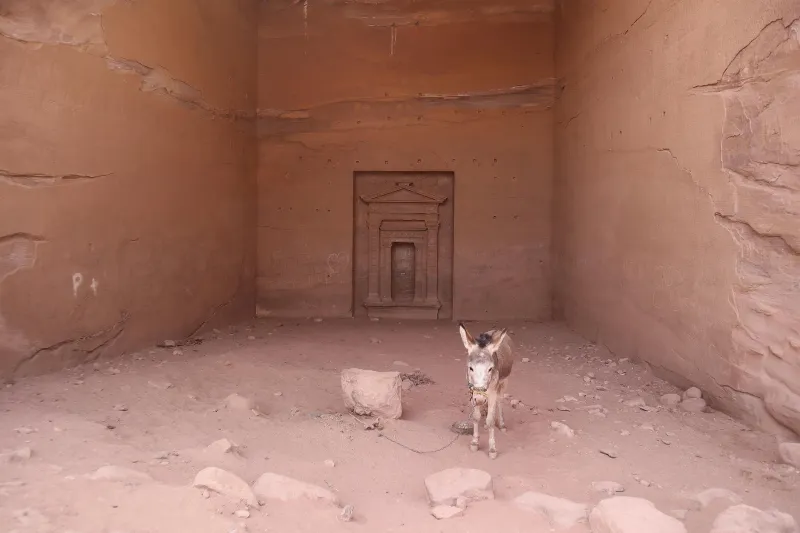

Inside the Ancient City
Walking among the towering, intricately carved facades of Petra, one can almost hear the echoes of a bustling marketplace, once alive with the sounds of merchants and travelers. This ancient city, established by the Nabataeans, thrived as a commercial hub, strategically located along trade routes that connected the East and West. Yet, by the 7th century, Petra faced an abrupt decline, leading to its eventual abandonment. What happened to this remarkable city, carved from sandstone cliffs and flourishing with culture and trade?
Trade Routes and Economic Shifts
At its peak, Petra was a vital link in the spice trade, facilitating the exchange of goods like frankincense and myrrh. However, as trade routes evolved, particularly with the rise of maritime trade, Petra's significance began to wane. The establishment of new sea routes allowed merchants to bypass the arduous overland journey, diminishing Petra's economic importance. This shift was not merely a logistical change; it threatened the very foundation of the city’s wealth and livelihood.
Moreover, emerging rivals such as Palmyra began to dominate trade, further exacerbating Petra's economic struggles. The once-thriving marketplace that had attracted merchants from across continents began to quiet, signaling the city’s slow decline.
Natural Disasters
Compounding the economic challenges were natural disasters. Archaeological evidence suggests that Petra experienced several significant earthquakes during its later years, which damaged infrastructure and disrupted daily life. Such events would have strained the already declining economy, making it even harder for the inhabitants to recover and thrive.
In addition, the city’s water management system, which was crucial for its survival in the arid desert, faced challenges. The once-reliable water sources began to dwindle, making it difficult for the population to sustain itself. The combination of economic decline and environmental challenges created a perfect storm for Petra’s fate.
The Aftermath
As the city fell into decline, its inhabitants began to abandon their homes, leaving behind a rich tapestry of history and culture. Over time, Petra became a forgotten relic, hidden within the rugged landscape of Jordan. It was not until the 19th century that it was rediscovered by the West, sparking interest and intrigue in its storied past.
Today, Petra stands as a UNESCO World Heritage site, a testament to human ingenuity and resilience. Yet, the reasons for its decline remain a subject of fascination, reminding us of how quickly fortunes can change and how the echoes of the past can fade into silence.
Hungry for more?
Explore thousands of insights across all categories.
