
Unearthing Çatalhöyük: How Discovery Reshaped Our Understanding of Civilization
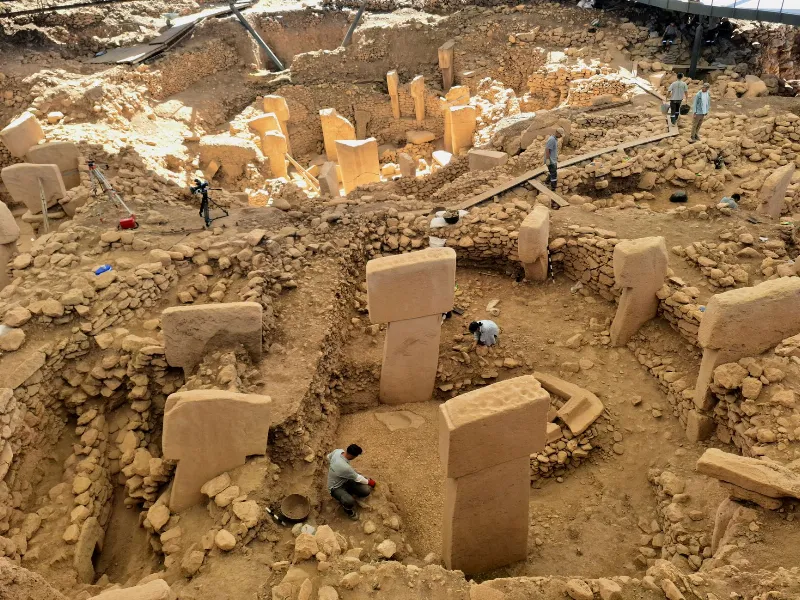
Amidst the arid landscape of central Anatolia, a group of archaeologists stumbles upon a site that would redefine our understanding of early human civilization. As they scrape away layers of earth, they reveal a sprawling settlement that thrived thousands of years ago. Çatalhöyük, with its honeycomb-like architecture and intricate murals, sparks a revolution in archaeological thought.
Revealing the Layers
Each excavation unveils a new layer of life, from homes adorned with vibrant artwork to evidence of communal living. Unlike traditional settlements of its time, Çatalhöyük exhibits a unique social structure. The absence of streets and the interconnectedness of its buildings suggest a society that prioritized community over hierarchy. As researchers sift through artifacts, they discover that this ancient city was a hub of trade, agriculture, and cultural exchange.
Shifting Perspectives
The findings at Çatalhöyük challenge long-held beliefs about the development of urban societies. Previously, historians viewed the emergence of cities as a linear progression towards complexity and stratification. However, Çatalhöyük presents a different narrative, one of egalitarianism and artistic expression. The murals that decorate the walls depict scenes of daily life, rituals, and perhaps even the spiritual beliefs of its inhabitants, painting a rich tapestry of human experience.
As the dust settles on this ancient settlement, it becomes clear that Çatalhöyük is more than just an archaeological site; it is a window into the human past. Each discovery adds depth to our understanding of how early people lived, interacted, and expressed their identities. The ongoing research continues to reveal the intricacies of a civilization that laid the groundwork for future societies.
In the quiet aftermath of excavation, the echoes of Çatalhöyük invite reflection. The site compels us to reconsider our assumptions about the past and recognize the complexity of human development. As we unearth more stories from this ancient city, we are reminded that history is not merely a collection of dates and events, but a vibrant narrative of human existence.
Hungry for more?
Explore thousands of insights across all categories.