
Cultural Exchange Along the Silk Road: Forces Behind Its Emergence
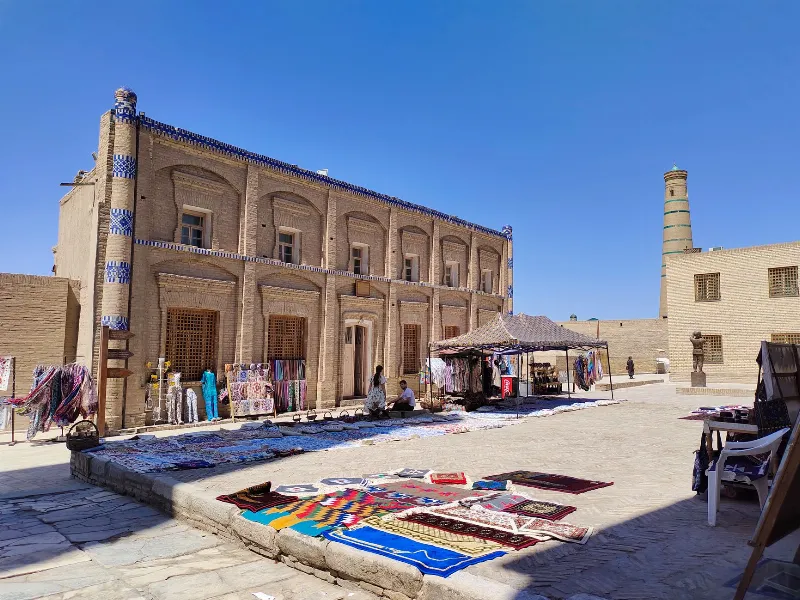

In a bustling marketplace, merchants from diverse backgrounds gather, their stalls brimming with exotic goods, silk, spices, and precious stones. The air is thick with the aroma of incense and the sound of languages colliding. This scene encapsulates the essence of the Silk Road, a series of trade routes that flourished over centuries, facilitating not only commerce but also a rich tapestry of cultural exchange.
Economic Motivations and Trade
The primary catalyst for the development of the Silk Road was economic necessity. The demand for luxury goods in distant lands spurred traders to traverse vast distances. Chinese silk, coveted in Rome, became a symbol of wealth and status, ensuring that merchants would brave the perilous journey across deserts and mountains. The trade routes were not merely pathways for goods, but conduits for ideas, technologies, and cultural practices. Innovations such as papermaking and the compass traveled westward, while Eastern philosophies found their way into the thought processes of Western societies.
Political and Social Dynamics
Political stability also played a crucial role in the Silk Road's expansion. Empires like the Han Dynasty in China and the Roman Empire in the West established protective measures for traders, fostering an environment where commerce could thrive. Diplomatic missions and alliances helped secure safe passage, further enhancing trade relationships. As empires expanded, so did their influence along the Silk Road, leading to a mingling of cultures that reshaped identities across regions.
Socially, the interactions along the Silk Road led to cultural syncretism. As people from different backgrounds met, they exchanged not only goods but also beliefs, art, and customs. The spread of religions such as Buddhism and Zoroastrianism was facilitated by these exchanges, altering spiritual landscapes in regions far from their origins.
Ultimately, the Silk Road was more than a trade route; it was a dynamic network that fostered a profound exchange of ideas and cultures. The interactions that took place along these paths continue to resonate in the modern world, illustrating the enduring legacy of this historical phenomenon.
Hungry for more?
Explore thousands of insights across all categories.
