
Olmec Civilization's Rise: Environmental Changes and Cultural Innovations
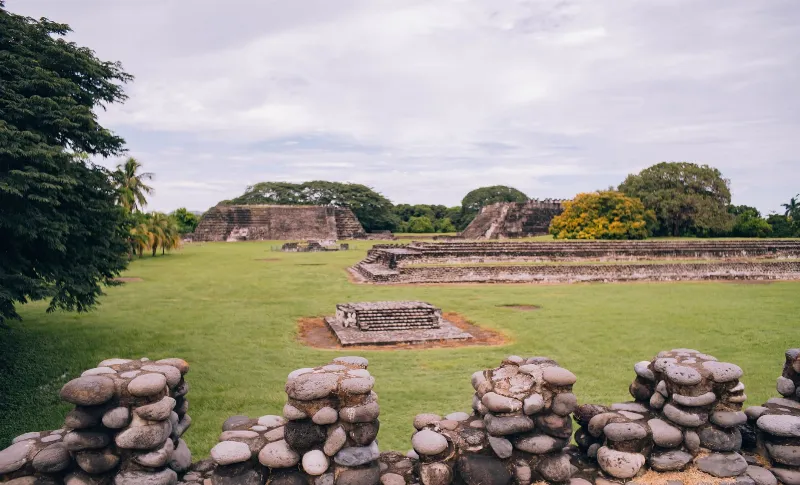

Entering the Olmec World
In the lush landscapes of Veracruz, ancient communities began cultivating crops around 1200 BCE. Amidst the towering trees and flowing rivers, the Olmec people took root, evolving from small agricultural villages into a complex society. Their environment provided fertile soil and abundant natural resources, setting the stage for their cultural and political development.
Environmental Shifts and Agricultural Innovation
As populations grew, so did the demand for food. The Olmecs adapted their agricultural practices, utilizing slash-and-burn techniques to maintain soil fertility. This method allowed them to cultivate maize, beans, and squash, staples that supported their growing society. Additionally, the region’s rivers facilitated irrigation, enabling year-round farming and leading to surplus production.
Environmental changes played a critical role in shaping the Olmec civilization. The transition from a hunter-gatherer lifestyle to settled agriculture not only increased food security but also fostered population growth. As communities expanded, social structures became more complex, paving the way for leadership and governance.
Trade Networks and Cultural Exchange
The Olmecs capitalized on their agricultural success by establishing extensive trade networks. They exchanged goods such as jade, obsidian, and pottery, connecting with distant regions across Mesoamerica. This trade not only stimulated economic growth but also facilitated cultural exchanges that enriched their society.
Artistic expressions flourished within Olmec culture, evident in their colossal stone heads and intricate carvings. These artifacts not only reflect their advanced artistic skills but also signify their beliefs and social organization. The Olmecs set a precedent for future Mesoamerican civilizations, influencing the artistic and cultural trajectories of the Maya and Aztec.
By creating a foundation of agricultural innovation and trade, the Olmec civilization carved its place in history. They transformed their environment into a cradle of culture, leaving a lasting legacy that would echo through the ages.
Hungry for more?
Explore thousands of insights across all categories.
