
Ancient City of Carthage Uncovered Through Serendipitous Discovery
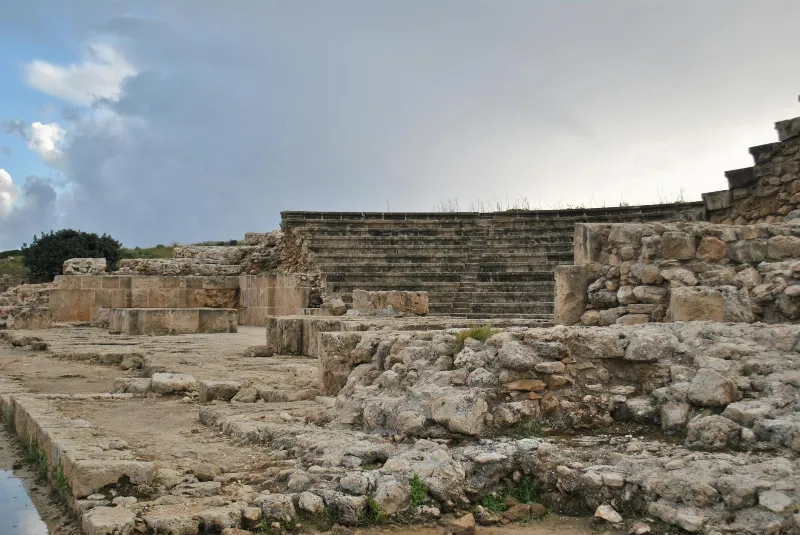

Unearthing History
In the late 19th century, a group of archaeologists and historians were drawn to a site near Tunis that was rumored to hold remnants of the legendary city of Carthage. This was not merely an academic pursuit; it was a quest to reconcile the myths of the past with tangible evidence. The initial findings were modest, yet they stirred excitement among scholars who recognized the potential of the site.
Among those captivated by the mystery was French engineer and archaeologist Louis Carton. His systematic excavations began to reveal the intricate layout of the city, including streets, walls, and the remnants of monumental structures. Each layer unearthed told a story of a civilization that once rivaled Rome, marked by its trade prowess and cultural richness.
Accidental Discoveries
While planned excavations laid the groundwork, it was a series of unexpected discoveries that transformed perceptions of Carthage. In 1901, workers digging for a railway line stumbled upon a vast array of artifacts, including pottery and inscriptions that hinted at the city's complex social fabric. This accidental find drew even more attention to the site, prompting further exploration.
As artifacts surfaced, the narrative of Carthage began to shift. Scholars debated the implications of these discoveries, analyzing the connections between Carthage and other ancient civilizations. The realization that Carthage had engaged in extensive trade networks and cultural exchanges with the Greeks and Egyptians reshaped the understanding of its role in the Mediterranean world.
Legacy of Exploration
The efforts of archaeologists did not go unnoticed. By the mid-20th century, Carthage had become a focal point for historians and tourists alike, symbolizing the enduring allure of ancient civilizations. The ruins were not just remnants; they were a testament to the ingenuity of a society that thrived for centuries.
Today, Carthage stands as a UNESCO World Heritage site, attracting visitors eager to walk the same paths that once echoed with the footsteps of its citizens. The rediscovery of Carthage serves as a reminder of the layers of history that lie beneath our feet, waiting to be uncovered, understood, and appreciated.
Hungry for more?
Explore thousands of insights across all categories.
