
Indus Valley Civilization's Sudden Vanishing: Unraveling the Mystery
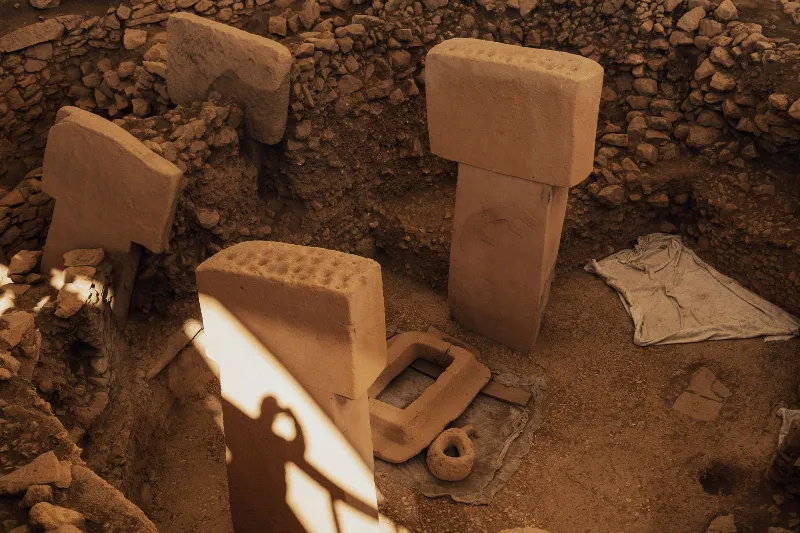
Entering the City of Harappa
A bustling marketplace thrived in Harappa, with merchants exchanging goods ranging from beads to textiles. The air was thick with the sounds of haggling, the scents of spices, and the sight of vibrant silks. This was the heart of the Indus Valley Civilization, a society that boasted urban planning, advanced drainage systems, and a script yet to be deciphered. Yet, by around 1900 BCE, this vibrant life would fade, leaving behind ghostly ruins and unanswered questions.
Environmental Shifts and Urban Decline
Archaeological evidence suggests a significant climatic shift around the time of the civilization's decline. A series of droughts, possibly compounded by shifting river patterns, may have disrupted agriculture, the backbone of the society. As rivers like the Ghaggar-Hakra dried up, food shortages could have forced urban populations to migrate toward more fertile areas. This exodus marked a profound transformation, as once-thriving cities became abandoned relics.
Additionally, the Indus Valley's trade networks, which connected them to distant cultures, may have deteriorated alongside internal stability. As resources dwindled, the complex social structures that supported these cities began to unravel. The decline of trade could lead to a ripple effect, exacerbating economic difficulties and straining community relations.
Cultural and Social Dynamics
While environmental factors played a significant role, internal dynamics might have contributed to the civilization's downfall. Evidence of social stratification indicates a possible division between elites and commoners, which could have led to unrest if resources became scarce. This tension might have hastened the decline, as communities struggled to maintain unity in the face of adversity.
Moreover, archaeological findings suggest that some smaller settlements thrived even as major cities fell into disrepair, hinting at a possible reorganization of society. Instead of a single, centralized culture, the disappearance of these urban centers might have given rise to a more fragmented, rural existence that adapted differently to changing conditions.
As the last inhabitants of these cities departed, the once-bustling streets of Harappa and Mohenjo-Daro fell silent, leaving only the echoes of a lost civilization. The remnants of the Indus Valley continue to intrigue scholars and archaeologists, as they piece together the fragments of a society that thrived and ultimately succumbed to a complex interplay of environmental, social, and economic factors.
Hungry for more?
Explore thousands of insights across all categories.