
Unveiling Machu Picchu: The Journey to Rediscover a Lost Civilization
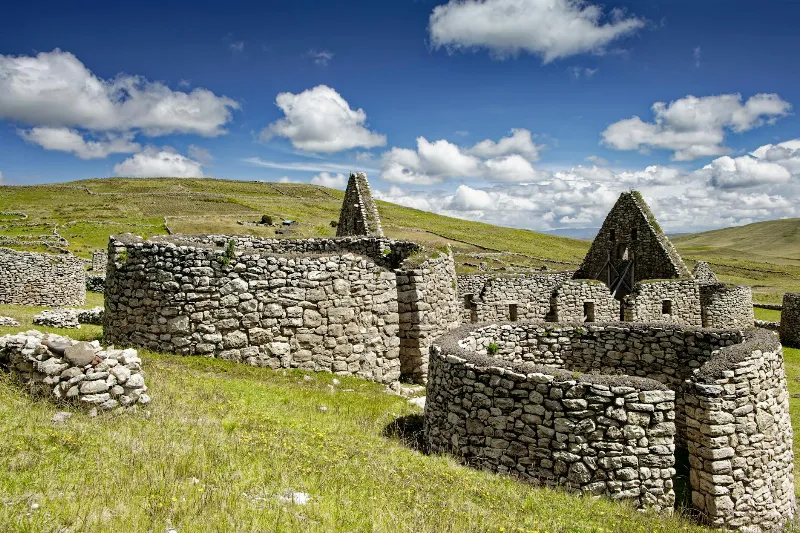

Entering the Hidden World
Amidst the misty peaks of the Andes, a rugged expedition navigated the treacherous terrain, driven by tales of an ancient city lost to time. In 1911, American historian Hiram Bingham, fueled by a quest for adventure and knowledge, stumbled upon the ruins of Machu Picchu. The sight was breathtaking: intricately carved stone structures emerged from lush greenery, whispering secrets of a civilization that once thrived in isolation.
Factors Behind the Disappearance
Long before Bingham's discovery, the Incas had built Machu Picchu in the 15th century, during a time of great expansion and cultural flourishing. However, following the Spanish conquest in the 16th century, the city was gradually abandoned. Factors such as internal strife, disease introduced by Europeans, and the relentless pursuit of wealth by the Spaniards led to the decline of the Incan empire and the obscurity of its majestic sites.
For centuries, Machu Picchu lay hidden from the outside world, shrouded in dense foliage and surrounded by steep cliffs. Local farmers and indigenous communities knew of its existence, but it remained largely forgotten by historians and explorers until the early 20th century. Bingham’s journey not only brought Machu Picchu to the forefront of archaeological interest but also sparked a renewed fascination with Incan history.
Impact of Rediscovery
Bingham's encounter was more than a personal triumph; it marked a significant shift in how ancient civilizations were perceived and studied. The discovery of Machu Picchu led to extensive archaeological research, revealing insights into Incan engineering, agriculture, and social organization. Artifacts unearthed from the site provided glimpses into everyday life and spiritual practices, enriching our understanding of a complex society.
Moreover, the newfound attention transformed Machu Picchu into a symbol of cultural heritage and an essential destination for travelers worldwide. Its status as a UNESCO World Heritage Site highlights the importance of preserving such historical landmarks, ensuring that the stories of those who lived there continue to resonate through time.
As explorers and historians continue to study Machu Picchu, the site remains a testament to human ingenuity and resilience, inviting visitors to reflect on the legacies of the past.
Hungry for more?
Explore thousands of insights across all categories.
