
Tikal's Lost City Unveiled: What Sparked Its Rediscovery
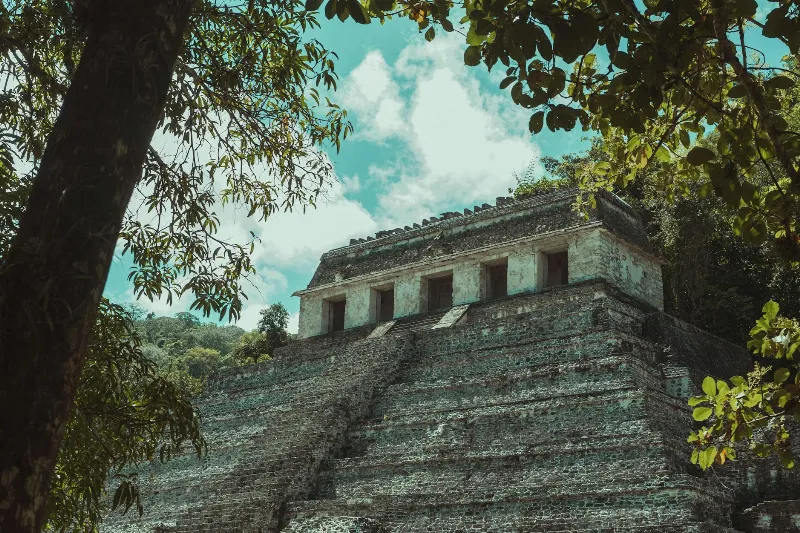

Deep within the dense jungles of Guatemala, a team of archaeologists stands before the remnants of a towering pyramid. The air is thick with humidity, and the sounds of nature envelop them. This moment marks a turning point in the story of Tikal, a once-thriving Maya city that had vanished from the collective memory of humanity for centuries.
In the mid-19th century, explorers and adventurers began to venture into the uncharted territories of Central America, igniting a growing interest in the ancient Maya civilization. Among these pioneers was John Lloyd Stephens, whose expeditions in the 1830s brought attention to the ruins scattered across the region. His vivid accounts and illustrations captivated the imagination of the public and scholars alike, setting the stage for future explorations.
Technological Advances in Archaeology
Fast forward to the 20th century, when a combination of aerial photography and advancements in mapping technology played a crucial role in revealing Tikal's vastness. Researchers began to utilize these techniques to uncover hidden structures beneath the jungle canopy. Aerial surveys conducted in the 1960s provided a bird's-eye view of the ancient city, showcasing its intricate layout and the sheer scale of its architecture.
Moreover, the introduction of LIDAR (Light Detection and Ranging) technology in the 21st century revolutionized the field. This method allowed archaeologists to penetrate the dense foliage, revealing not only Tikal but also numerous previously unknown sites across the Maya region. The data collected mapped out an extensive network of roads, reservoirs, and ceremonial centers, reshaping our understanding of Maya urban planning and societal organization.
Impact of Rediscovery
The rediscovery of Tikal marked a significant shift in archaeological and cultural perspectives. No longer viewed merely as a historical curiosity, the site became emblematic of the complexity and sophistication of the Maya civilization. It sparked renewed interest in indigenous cultures and their contributions to human history, leading to a greater appreciation for the cultural heritage of Central America.
As researchers continue to explore Tikal, they are not just uncovering artifacts but also piecing together the narratives of a civilization that thrived for centuries before its decline. Each discovery adds depth to the story of the Maya, illuminating aspects of their social structure, religion, and daily life.
Standing at the base of Tikal's towering temples today, one can feel the weight of history intertwined with the lush jungles surrounding them. The echoes of a once-vibrant society resonate in the air, reminding us of the enduring legacy of the Maya civilization. With each excavation and technological advancement, Tikal's secrets unfold, inviting us to reflect on the past while contemplating the future of archaeological exploration.
Hungry for more?
Explore thousands of insights across all categories.
