
Rediscovery of Pompeii: What Sparked the Unveiling of a Lost City

Unearthing the Past
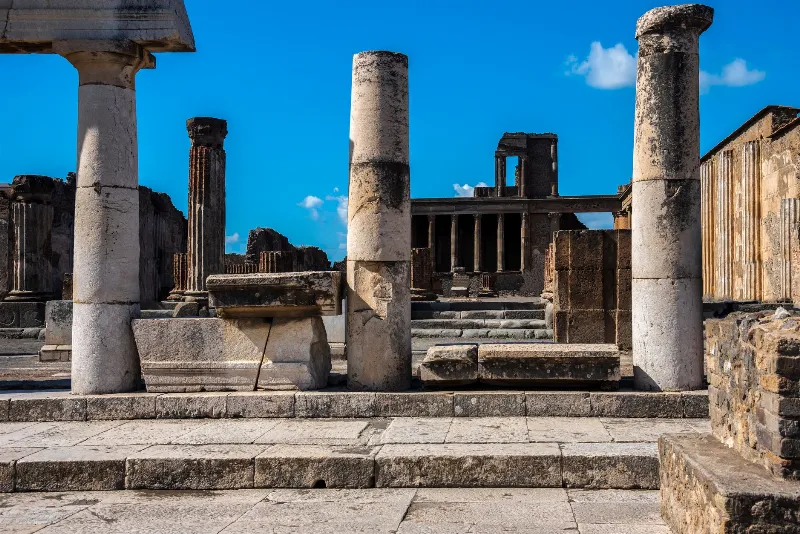
In 1748, workers searching for stone near the modern town of Torre Annunziata stumbled upon an unexpected find: the ruins of Pompeii. Initially, the significance of the discovery was not fully grasped, but as excavations continued, the preserved buildings, frescoes, and artifacts began to tell the story of a city frozen in time. Shrouded in ash from the catastrophic eruption of Mount Vesuvius in 79 AD, Pompeii offered an unprecedented glimpse into daily Roman life.
Cultural and Intellectual Climate
The mid-18th century was a period of enlightenment, characterized by a growing interest in classical antiquity. Scholars and artists were inspired by the rediscovery of ancient texts and artifacts, leading to a cultural revival known as neoclassicism. The discovery of Pompeii coincided with this intellectual movement, as it fueled curiosity about the ancient world and provided tangible evidence of Roman civilization's sophistication. As more artifacts were unearthed, they sparked debates among historians and archaeologists about the cultural practices and social structures of the time.
Impact on Archaeology and Society
The excavation of Pompeii revolutionized archaeological methods and practices. As techniques improved, the site became a focal point for scholars and tourists alike, drawing attention to the importance of preserving ancient sites. The discoveries at Pompeii not only contributed to archaeological knowledge but also influenced art, literature, and public interest in ancient Rome. The site serves as a reminder of the fragility of civilization and the enduring legacy of the past. Visitors today walk through streets once populated by Romans, witnessing the remnants of their daily lives and the catastrophic event that sealed their fate.
The unearthing of Pompeii shifted perceptions of the ancient world, highlighting the complexity and richness of Roman culture. Each artifact and structure offers a new insight into a society that thrived nearly two millennia ago, inviting ongoing exploration and reflection.
Hungry for more?
Explore thousands of insights across all categories.
