
Transformations That Reshaped Daily Life in Medieval Europe
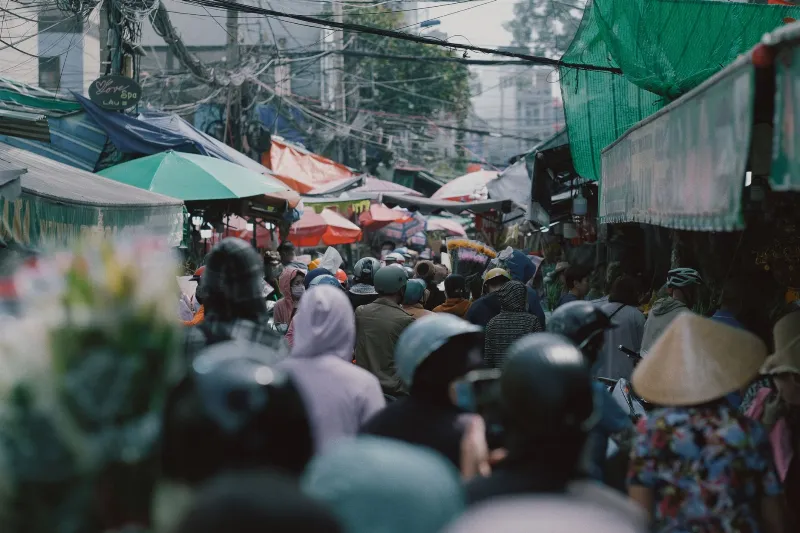

Imagine a bustling medieval market, filled with the sounds of merchants hawking their wares, peasants exchanging goods, and townsfolk discussing the latest news. This vibrant scene embodies the profound changes that began to shape daily life in Europe from the 10th century onward. As the Middle Ages progressed, a series of transformations in agriculture, trade, and social structures dramatically altered the fabric of society.
Agricultural Innovations
The introduction of new farming techniques marked a turning point in medieval life. The three-field system allowed for more efficient crop rotation, which meant that fields were not left fallow as often. This innovation led to increased food production and, importantly, a surplus that supported population growth. As villages flourished, the demand for goods and services also rose, paving the way for the emergence of towns.
Rise of Trade and Commerce
As towns developed, trade routes expanded, connecting distant regions. The establishment of fairs and marketplaces became central to community life. Merchants traveled across Europe, bringing not only goods but also ideas. This exchange fostered a sense of interconnectedness, resulting in the emergence of a more complex economic structure. As commerce thrived, a new merchant class began to rise, challenging the traditional nobility’s grip on power.
In this dynamic environment, guilds formed, creating networks of artisans and craftsmen who regulated their trades and protected their interests. This development not only improved the quality of goods but also enhanced social cohesion within towns.
Social Changes and Urbanization
With the growth of towns came significant social changes. The rigid class structures that characterized feudal society began to shift. Opportunities for social mobility emerged as individuals could gain wealth through trade or skilled labor rather than solely through land ownership. The rise of a middle class began to challenge the traditional hierarchy, leading to new social dynamics.
As urban centers grew, they became hubs of culture and learning. Schools and universities began to appear, promoting literacy and education among a broader segment of the population. This intellectual awakening laid the groundwork for future movements, including the Renaissance.
These transformations in agriculture, trade, and society marked a significant departure from the previous era. Daily life in Medieval Europe evolved into a more complex, interconnected tapestry, setting the stage for the modern age.
Hungry for more?
Explore thousands of insights across all categories.
