
Uncovering Mycenae: Events That Led to Its Rediscovery

Whispers of the Past
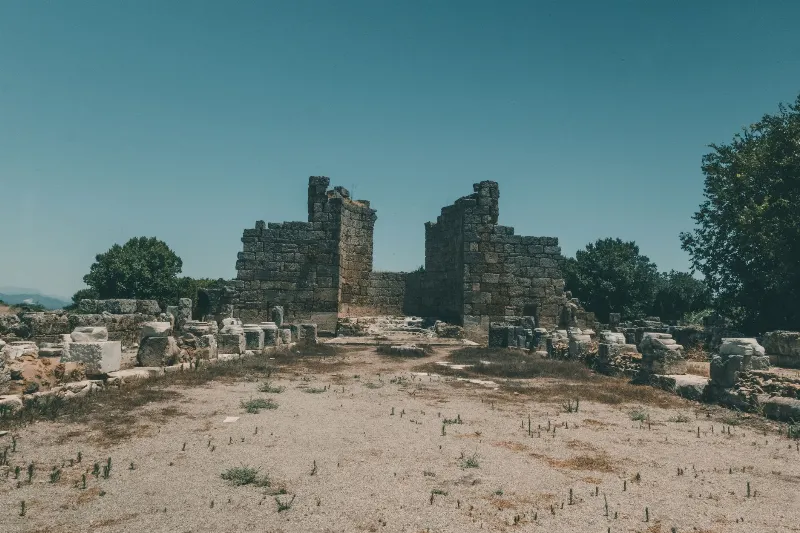
In the early 1800s, a small village in the Peloponnese, Greece, was enveloped by tales of a forgotten city. Local farmers spoke of vast stone walls and golden treasures hidden beneath the earth. These legends captured the imagination of archaeologists and scholars across Europe, igniting a fervor for discovery. Among them was Heinrich Schliemann, a German businessman whose ambition would soon challenge the shadows of history.
The Pursuit of Legends
Schliemann, driven by a lifelong dream of finding the fabled city of Troy, followed the clues that pointed him towards Mycenae. His tireless research combined with his passion for Homeric epics, particularly the "Iliad," led him to believe that Mycenae held secrets from the same ancient world. In 1876, he began excavations at the site, unearthing monumental structures and artifacts that would reshape the understanding of ancient Greek civilization.
Revealing the Civilization
The excavations at Mycenae revealed not just ruins but a sophisticated culture that thrived around 1600-1100 BCE. The discovery of the Lion Gate, the royal tombs, and treasures like the famous gold mask attributed to Agamemnon showcased the wealth and power of the Mycenaean civilization. These findings confirmed that Mycenae was not merely a myth but a pivotal center of ancient Greek life, influencing language, trade, and culture.
As news spread, the significance of Mycenae grew, attracting scholars and tourists alike, eager to witness the remnants of a once-great civilization. Schliemann's work, though controversial and often criticized for its methods, laid the groundwork for modern archaeology. It highlighted the importance of archaeological sites as windows into the past, revealing the complexities of human history.
By the end of the 19th century, Mycenae had transformed from a legendary site into a major archaeological treasure, reshaping narratives about ancient Greece and its impact on the Western world. The blend of myth and fact that characterized its rediscovery continues to resonate, drawing interest from historians and visitors alike.
Hungry for more?
Explore thousands of insights across all categories.
