
Uncovering Herculaneum: Triggers Behind Its Rediscovery
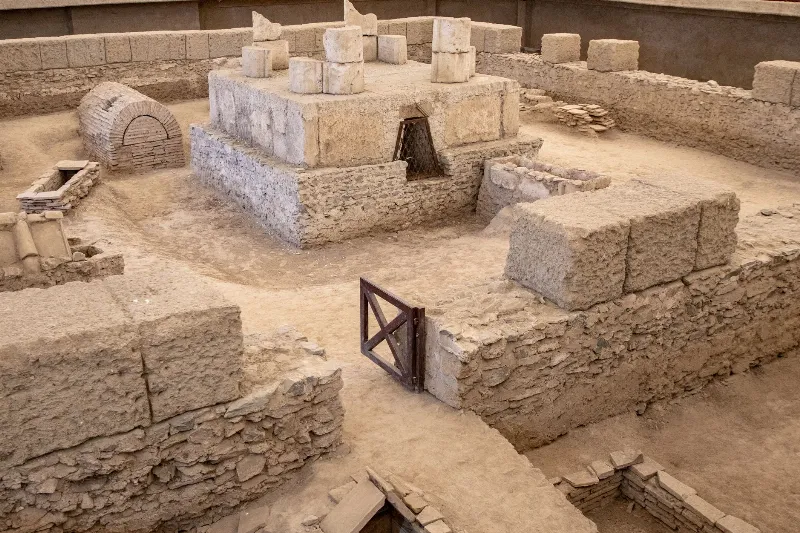

Amidst the quiet hum of the 18th century, an unexpected discovery lay beneath layers of ash and stone. The ancient city of Herculaneum, once a flourishing Roman settlement, had been buried for centuries following the catastrophic eruption of Mount Vesuvius in 79 AD. The story of its rediscovery is not merely about unearthing artifacts but rather a journey forged by curiosity, ambition, and the relentless pursuit of knowledge.
Curiosity Sparks Exploration
The initial spark came in 1709 when workers digging a well in the town of Resina stumbled upon a series of ancient columns. This accidental discovery ignited interest from the learned elite of Europe, particularly in Naples, where intellectual circles buzzed with excitement about the buried treasures. As rumors spread, the idea of exploring the lost city attracted adventurers, archaeologists, and even artists eager to capture the essence of a world long forgotten.
Excavation Challenges and Triumphs
Despite the thrill of discovery, the excavation process proved arduous. The city, encased in volcanic ash, posed significant challenges, not least of which were the dangers of structural collapse. Early excavators, such as Karl Weber and later, the well-known archaeologist Giuseppe Fiorelli, faced not only the physical challenges of digging but also the delicate task of preserving the fragile remnants of Herculaneum’s past. Fiorelli’s innovative methods, including the use of plaster casts to capture the shapes of victims of the eruption, transformed the understanding of the disaster's impact on everyday life.
Each layer unearthed revealed more than just buildings; it revealed the essence of Roman civilization, from their art and household items to the intricate frescoes that adorned the walls. This blend of practical excavation and artistic preservation captured the imagination of Europe, revitalizing interest in classical antiquity.
A Lasting Legacy
As the excavation of Herculaneum progressed, it became evident that this city was not merely a snapshot of destruction but a vibrant testament to Roman life and culture. Artifacts found in Herculaneum provided insights into social structures, daily routines, and even the culinary practices of its inhabitants. The city’s rediscovery sparked not only archaeological endeavors but also a wider cultural movement that sought to reconnect with classical roots.
Ultimately, the journey of uncovering Herculaneum highlights the serendipitous nature of historical discovery. It serves as a reminder of how curiosity, combined with an enduring respect for the past, can illuminate the shadows of history, offering glimpses into lives once lived, now immortalized in stone.
Hungry for more?
Explore thousands of insights across all categories.
