
Octopuses Adapt Camouflage Techniques To Evade Predators
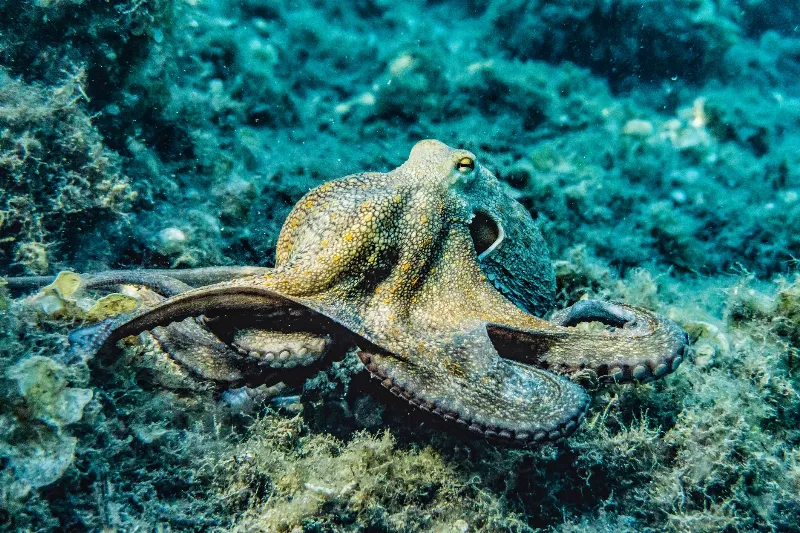

Masterful Camouflage
Octopuses are renowned for their extraordinary ability to camouflage themselves in various environments. This skill is not just a passive adaptation; it involves an intricate interplay of behavior, skin texture, and color that enables these creatures to blend seamlessly into their surroundings. Using specialized skin cells known as chromatophores, they can change both color and pattern, mimicking the textures and colors of rocks, corals, and even the seafloor.
Mechanisms Behind Camouflage
These cephalopods leverage several mechanisms to achieve their impressive camouflage:
- Chromatophores: These pigment-containing cells expand or contract rapidly, allowing for instantaneous color changes.
- Iridophores: These cells reflect light, adding iridescence and depth to their appearance, further enhancing their disguise.
- Skin Texture: Octopuses can alter the texture of their skin, creating bumps and ridges that mimic the rocky or sandy environments they inhabit.
Through these adaptations, octopuses can hide effectively from predators while hunting or resting. This ability is not merely a survival tactic; it also plays a crucial role in their hunting strategies, allowing them to ambush prey while remaining undetected.
Impact on Marine Ecology
The camouflage techniques of octopuses highlight their role in marine ecosystems. By blending into their surroundings, they maintain a balance within the food web, acting as both predator and prey. Their presence indicates a healthy ecosystem, as they contribute to the diversity and stability of marine life.
As researchers continue to study octopus camouflage, they uncover insights into evolution, adaptation, and the complex interactions within marine environments. Understanding these fascinating creatures not only enriches our knowledge about marine biology but also emphasizes the importance of preserving their habitats.
Hungry for more?
Explore thousands of insights across all categories.
