
Camouflage Skills That Help Animals Adapt to Their Habitats

Adaptive Camouflage Techniques
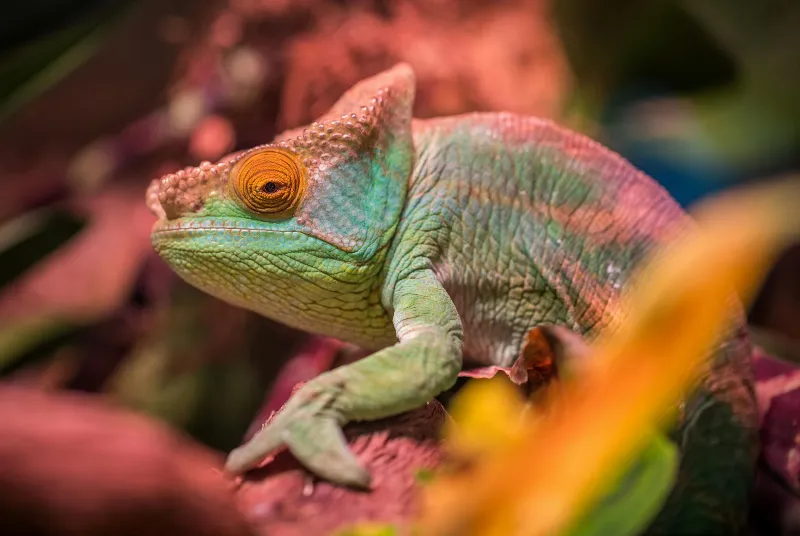
Many animals possess remarkable abilities to blend seamlessly into their surroundings, a skill known as camouflage. This adaptation not only aids in avoiding predators but also enhances hunting strategies. For instance, chameleons can alter their skin color based on their environment, while octopuses can change both color and texture to mimic rocks or coral. These adaptations illustrate an evolutionary response to environmental pressures, showcasing the intricate balance of predator and prey dynamics.
Physical Structures and Their Functions
Some species have developed physical traits that assist in camouflage. Leaf-tailed geckos, for example, have evolved body shapes and colors that resemble leaves, making them nearly invisible to both predators and prey. Similarly, the cuttlefish employs specialized skin cells called chromatophores to blend in with various substrates, adapting almost instantaneously to changes in its surroundings. These physical attributes are essential for survival in ecosystems where visual detection can mean life or death.
Behavioral Camouflage Strategies
Beyond physical adaptations, many animals use behavioral strategies to enhance their camouflage. Certain species, like the walking stick insect, remain motionless for extended periods, further reducing their visibility to predators. Other creatures, such as the Arctic fox, change their coat color with the seasons, providing them with optimal camouflage throughout the year. These behaviors highlight the multifaceted approaches animals utilize to thrive in diverse habitats.
Camouflage is a fascinating aspect of animal behavior and adaptation, showcasing the incredible diversity of life on Earth. Each method of blending into the environment reflects specific evolutionary paths taken by species, emphasizing the ongoing interplay between organisms and their habitats.
Hungry for more?
Explore thousands of insights across all categories.
