
Cuttlefish Master Camouflage Skills Enhance Survival Tactics
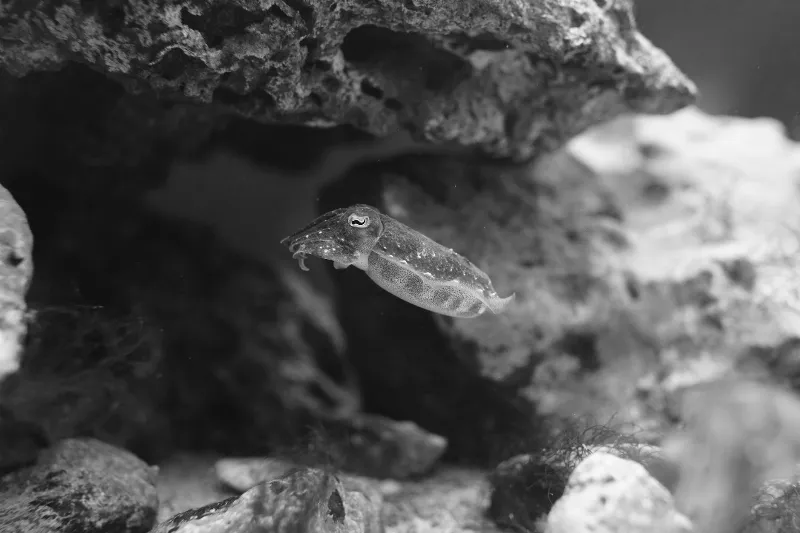

Adaptive Camouflage in Cuttlefish
Cuttlefish are renowned for their ability to blend into their environment, a skill that makes them one of nature's most elusive creatures. Their skin contains special cells called chromatophores, which can expand or contract to change color rapidly. This ability allows cuttlefish to mimic the textures and patterns of rocks, corals, and other underwater elements, making them nearly invisible to both predators and prey.
Besides color-changing, cuttlefish can alter the texture of their skin, creating bumps and ridges that mimic their surroundings. This multidimensional camouflage is not just for hiding; it also serves to confuse potential threats and enhance their hunting strategies.
Camouflage for Communication and Hunting
While camouflage is crucial for avoiding predators, cuttlefish also use their unique abilities for communication. During mating rituals, males display elaborate color patterns to attract females, showcasing their physical fitness and genetic quality. These displays can vary significantly between individuals, highlighting the importance of visual signaling in cuttlefish behavior.
In addition to communication, effective camouflage aids in hunting. A cuttlefish can approach its prey while remaining virtually undetected, allowing for a surprise attack. This stealthy approach improves their chances of capturing food, which is vital for their survival in the competitive marine ecosystem.
Overall, the camouflage skills of cuttlefish exemplify the intricate adaptations that have evolved in response to environmental pressures. Their remarkable abilities not only enhance their survival but also enrich the biodiversity of marine habitats.
Hungry for more?
Explore thousands of insights across all categories.
