
Marine Animals Navigate Using Extraordinary Sensory Skills

Unique Sensory Mechanisms in Marine Life
Marine animals have evolved various sensory mechanisms that are finely tuned to their environments. For instance, dolphins use echolocation to navigate and hunt in the often murky waters of the ocean. By emitting sound waves and listening for their echoes, they can determine the location, size, and even the texture of objects around them. This ability not only aids in locating prey but also helps them avoid obstacles.
Magnetoreception in Sea Turtles
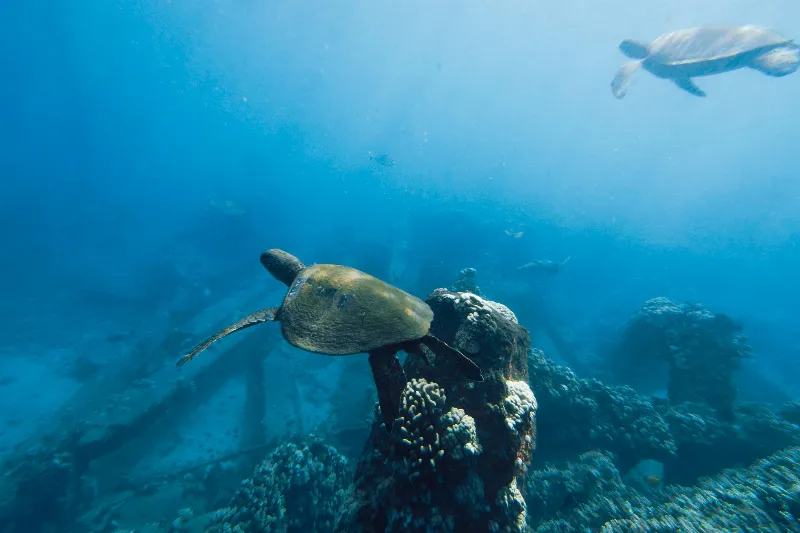
Another fascinating adaptation is seen in sea turtles, which can detect Earth's magnetic fields. This innate sense, known as magnetoreception, allows them to navigate across thousands of miles of open ocean to return to their nesting sites. Researchers believe that turtles can sense magnetic orientation through specialized cells containing magnetite in their bodies, guiding them with incredible accuracy.
Chemosensation in Fish
Fish also possess a remarkable ability to navigate using chemosensation. Many species can detect chemical cues in the water, which inform them about their surroundings, potential mates, and food sources. For example, salmon can sense the unique chemical signature of their birth river when it’s time to spawn, demonstrating an impressive use of their olfactory senses.
These sensory abilities highlight the intricate adaptations that marine animals have developed to thrive in their environments. As scientists continue to study these phenomena, we gain deeper insights into the complexities of marine life and the delicate balance that sustains ocean ecosystems.
Hungry for more?
Explore thousands of insights across all categories.
