
Cuttlefish Master Camouflage Skills Adapt to Their Environment

Adaptation Through Camouflage
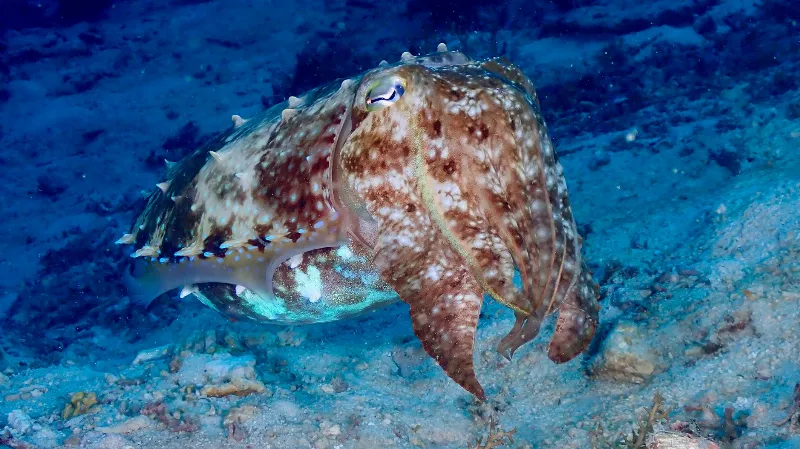
Cuttlefish possess an impressive ability to adapt to their surroundings, primarily through intricate camouflage techniques. Utilizing specialized cells in their skin called chromatophores, these cephalopods can change their color and pattern almost instantaneously. This rapid transformation allows them to blend into diverse environments, from sandy sea beds to rocky reefs, effectively avoiding potential threats.
Techniques for Survival
The camouflage skills of cuttlefish are not solely defensive; they also serve offensive purposes. By mimicking the colors and textures of their surroundings, cuttlefish can ambush unsuspecting prey. This dual functionality of their camouflage makes them highly effective hunters in the marine ecosystem. Their ability to adapt their appearance helps maintain the delicate balance of predator-prey dynamics in their habitats.
Coloration and Texture Changes
The process of changing color and texture is a complex interplay between the cuttlefish's nervous system and its skin. By expanding or contracting the chromatophores, cuttlefish can create a wide range of colors and patterns. In addition, they possess iridophores and leucophores that reflect light, further enhancing their ability to match their environment. This sophisticated mechanism allows for precise control over their appearance, making them masters of disguise.
Environmental Impact on Camouflage
Different environments require unique adaptations, and cuttlefish showcase this diversity in their camouflage. For example, those living in coral reefs might exhibit bright colors and patterns to blend with the vibrant marine life, while those in sandy areas may adopt a more muted palette. This adaptability highlights the importance of environmental factors in shaping the behavior and survival strategies of cuttlefish.
As marine ecosystems continue to face challenges from climate change and pollution, the fascinating camouflage skills of cuttlefish serve as a reminder of the intricate connections between species and their environments. Understanding these adaptations can provide insights into the resilience and vulnerability of marine life in a changing world.
Hungry for more?
Explore thousands of insights across all categories.
