
Cuttlefish Master Camouflage Techniques Enhance Survival
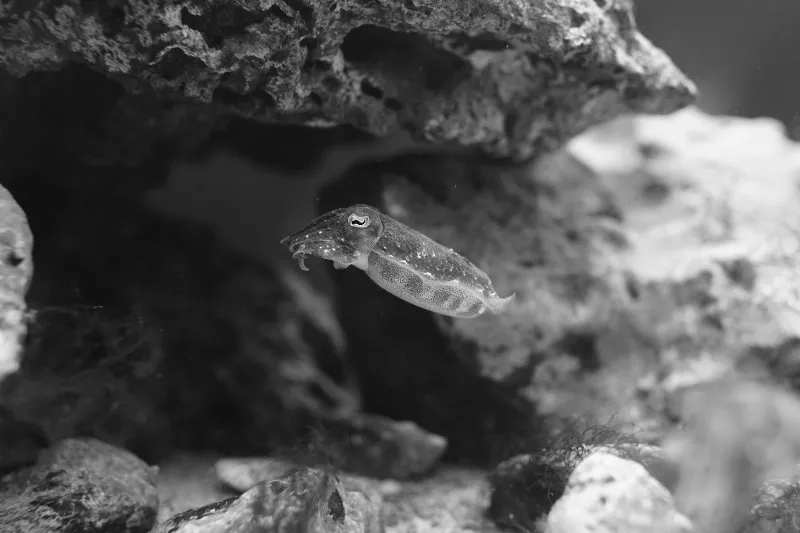

Cuttlefish possess a remarkable ability to blend into their environment, making them one of the ocean's most skilled camouflage artists. With a unique set of skin cells called chromatophores, they can change color and texture almost instantaneously. This adaptation not only helps them evade predators but also aids in hunting.
Mechanisms Behind Cuttlefish Camouflage
The cuttlefish's camouflage is driven by its complex nervous system, which allows rapid communication between the brain and skin. When a cuttlefish senses danger or sees potential prey, it activates its chromatophores, changing the pigment of its skin. This ability extends beyond mere color change; cuttlefish can also adjust their skin's texture to resemble rocks, sand, or coral, enhancing their disguise.
Impacts on Survival and Behavior
This sophisticated camouflage technique plays a critical role in the cuttlefish's survival. By blending into their surroundings, they can avoid predators and become stealthy hunters. Additionally, their ability to communicate through color changes can signal mating readiness or warn off rivals. These adaptations highlight not only their survival skills but also their intricate social behaviors.
In essence, the cuttlefish exemplifies the art of adaptation in the natural world. Their unique camouflage techniques not only enhance their chances of survival but also reflect the complex interactions within marine ecosystems. As researchers continue to study these fascinating creatures, we gain deeper insights into the intricate balance of life in our oceans.
Hungry for more?
Explore thousands of insights across all categories.
