
Cuttlefish Camouflage Techniques Enhance Survival Skills
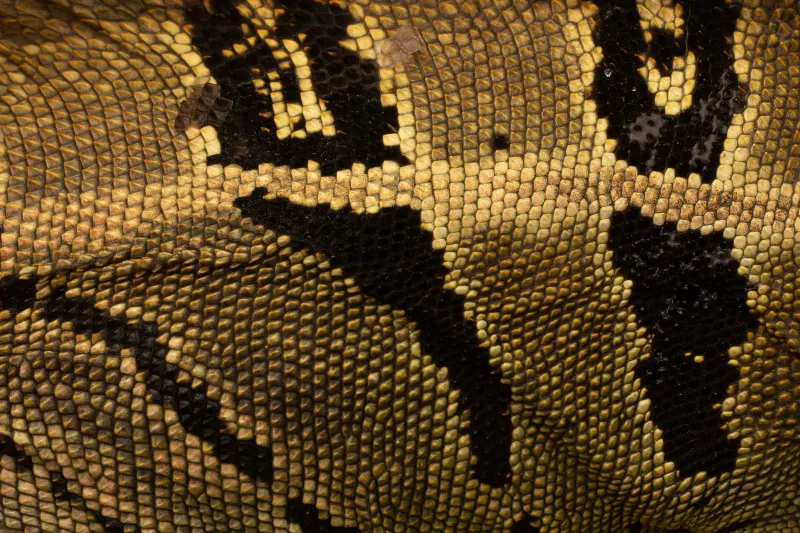
Cuttlefish, known for their incredible adaptability, possess skin that can change color and texture in an instant. This remarkable ability is not merely for show; it serves essential functions in both predation and evasion. By leveraging specialized skin cells called chromatophores, they create mesmerizing displays that can confuse potential threats and lure unsuspecting prey.
Mechanics of Camouflage
Chromatophores are the key players in cuttlefish camouflage. These pigment-containing and light-reflecting cells expand and contract to produce a wide array of colors. Additionally, cuttlefish have other types of skin cells, such as iridophores and leucophores, which aid in reflecting and scattering light. This combination allows them to blend into various environments, from rocky seabeds to sandy ocean floors.
Adaptive Strategies in Action
When faced with danger, cuttlefish can quickly assess their surroundings and adjust their appearance accordingly. They not only change color but can also alter the texture of their skin to match their environment closely. For instance, they might flatten their skin to mimic the roughness of a coral reef or puff up to resemble a rock. This dynamic ability enhances their chances of survival in the wild.
Moreover, cuttlefish employ their camouflage when hunting. By disguising themselves, they can approach prey stealthily, striking when the moment is right. This predatory strategy showcases the dual role of camouflage: both as a protective mechanism and as a tool for successful hunting.
In essence, cuttlefish exemplify how nature’s adaptations can influence survival strategies. Their sophisticated camouflage techniques not only reflect their evolutionary journey but also highlight the intricate connections between species and their habitats.
Hungry for more?
Explore thousands of insights across all categories.