
Cuttlefish Master Camouflage Techniques for Survival
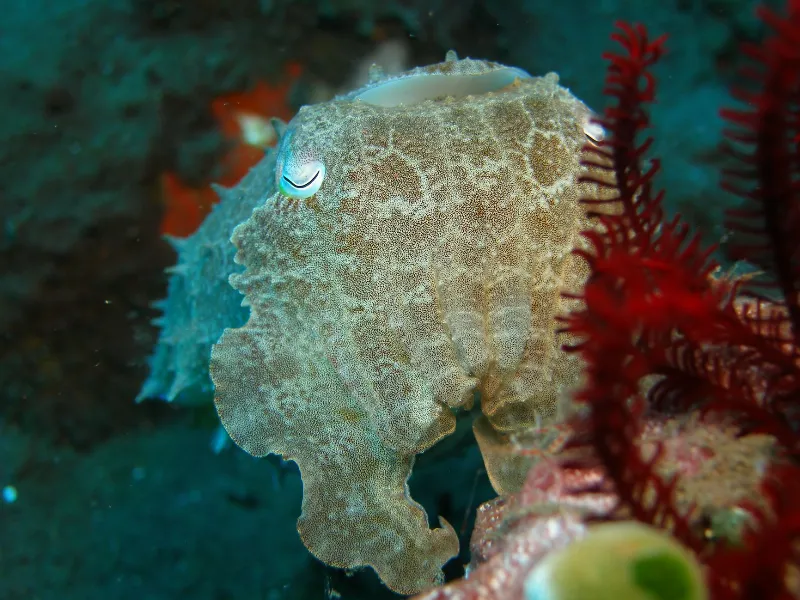

Adaptive Coloration in Cuttlefish
Cuttlefish possess an extraordinary ability to alter their appearance through rapid changes in color and texture. This capability arises from specialized skin cells known as chromatophores, which contain pigments, and other cells called iridophores and leucophores, which reflect light. By expanding or contracting these cells, cuttlefish can blend seamlessly into their surroundings, making it difficult for predators and prey alike to detect them.
Behavioral Strategies for Camouflage
While their physical attributes are impressive, cuttlefish also employ behavioral strategies to enhance their camouflage. They often choose backgrounds that match their coloration and texture, utilizing elements like sand, rocks, or coral to create a visual disguise. Additionally, cuttlefish can mimic the movement of their environment, such as the swaying of seaweed, further enhancing their stealth as they hunt or evade threats.
Impact on Ecosystem and Research
The camouflage capabilities of cuttlefish not only aid in their survival but also play a vital role in the marine ecosystem. As both predators and prey, their ability to remain undetected influences population dynamics within their habitat. Research into cuttlefish camouflage has sparked interest in biomimicry, inspiring innovations in materials science and technology that aim to replicate their adaptive features.
Cuttlefish demonstrate a remarkable blend of biology and behavior through their unique camouflage techniques. This fascinating adaptation not only enhances their survival but also offers insights into the complexity of marine life and the potential for future innovations inspired by nature.
Hungry for more?
Explore thousands of insights across all categories.
