
Marine Animals' Extraordinary Sensory Skills For Navigation

Unique Sensory Mechanisms
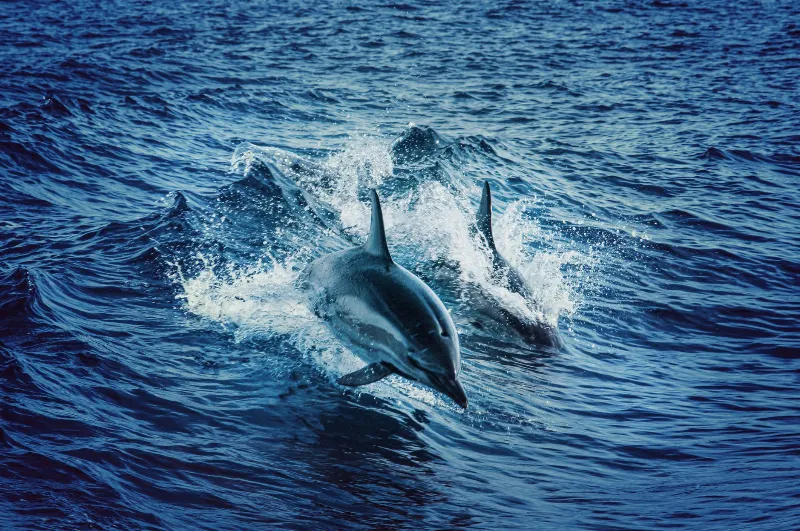
Marine animals exhibit a variety of unique sensory adaptations that aid in navigation through their complex underwater habitats. For example, dolphins utilize echolocation, sending out sound waves that bounce off objects and return, helping them identify the location, size, and shape of obstacles or prey. This sophisticated system allows them to navigate murky waters where visibility is limited.
Magnetic Field Detection
Other marine creatures, such as sea turtles and certain species of fish, possess the ability to detect the Earth's magnetic field. This remarkable skill allows them to undertake long migrations across vast oceans, returning to their nesting sites with incredible accuracy. They rely on specialized cells containing magnetite, which helps them sense magnetic fields and navigate effectively.
Chemical Cues
Beyond sound and magnetism, many marine species use chemical signals to guide their movements. Fish, for instance, can detect pheromones in the water, which play a crucial role during mating rituals and social interactions. This ability to sense chemical cues helps them find mates and navigate through schools of fish.
The Importance of Sensory Adaptations
These sensory abilities are not just fascinating adaptations; they are essential for survival in the ocean's dynamic environment. As climate change and human activities continue to impact marine ecosystems, understanding these adaptations can help in conservation efforts. Protecting the habitats that support these sensory-rich species ensures the health of marine biodiversity.
Hungry for more?
Explore thousands of insights across all categories.
