
Cuttlefish Camouflage: Mastering Adaptation in the Deep Sea
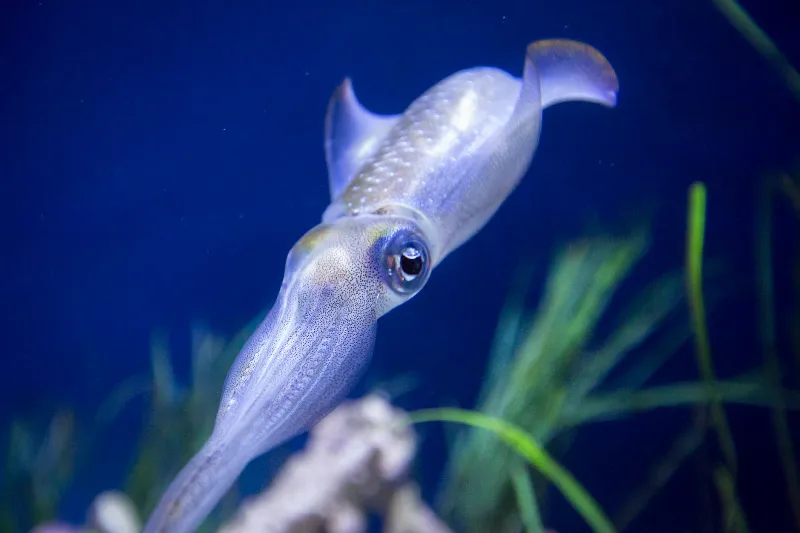

Color and Texture Transformation
Cuttlefish possess specialized cells in their skin called chromatophores, which contain pigments. By expanding or contracting these cells, they can change their color almost instantaneously. This rapid transformation allows them to match the hues of their environment, whether it's the sandy ocean floor or the vibrant corals. Additionally, cuttlefish have another layer of skin cells known as iridophores and leucophores, which reflect light and further enhance their ability to blend in, making them elusive to both prey and predators.
Behavioral Adaptations
Behavior plays a significant role in the effectiveness of cuttlefish camouflage. They are not only capable of changing their skin color but also adjusting the texture of their skin to mimic the surfaces around them. For instance, they can create bumps or ridges that resemble rocks or algae, providing an additional layer of concealment. This combination of color and texture adaptation is a prime example of how cuttlefish have evolved to thrive in their environments.
Strategic Use of Camouflage
In addition to evasion, cuttlefish utilize their camouflage for hunting. By blending into their surroundings, they can ambush prey without being detected. This strategy is particularly effective against small fish and crustaceans, which may otherwise escape if they spot a predator. Cuttlefish exhibit a remarkable ability to remain motionless while camouflaged, further increasing their chances of a successful hunt.
Understanding the camouflage techniques of cuttlefish not only highlights their evolutionary adaptations but also provides insights into the complexities of marine ecosystems. These fascinating creatures continue to captivate researchers and nature enthusiasts alike, revealing the intricate connections between behavior, environment, and survival.
Hungry for more?
Explore thousands of insights across all categories.
