
Octopuses Navigate Complex Environments With Advanced Intelligence
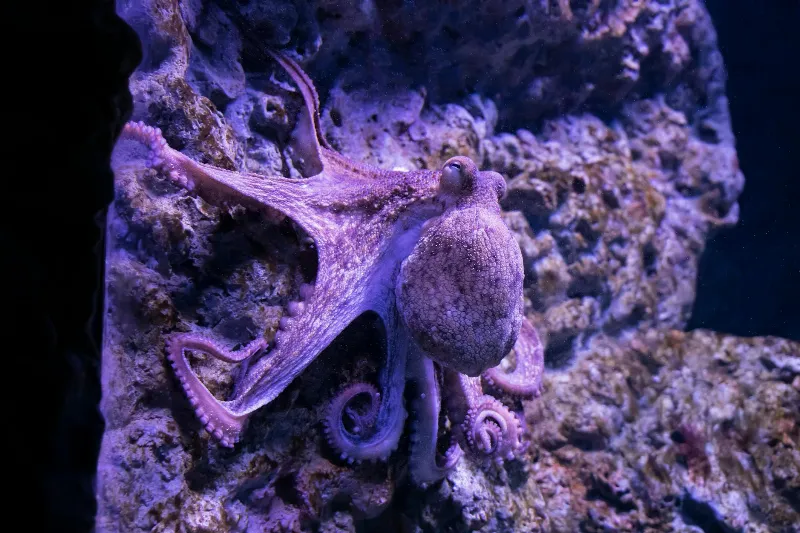

Octopuses exhibit an extraordinary level of intelligence, making them one of the most fascinating creatures in the ocean. With their ability to solve problems and adapt to various situations, they navigate complex underwater environments with remarkable ease. This adaptability raises questions about the cognitive capabilities of cephalopods and their unique approaches to survival.
Problem-Solving Skills
Octopuses display impressive problem-solving abilities that set them apart from many other marine animals. In laboratory settings, they have shown the capacity to open jars, manipulate objects, and learn through observation. These skills are crucial for their survival in the wild, where they often confront challenges such as finding food or escaping predators.
- Ability to open containers to access food.
- Use of tools, such as coconut shells and rocks for shelter.
- Learning from experiences to improve future outcomes.
Camouflage and Adaptability
One of the most remarkable traits of octopuses is their ability to blend seamlessly into their surroundings. This form of camouflage is enabled by specialized skin cells that allow them to change color and texture rapidly. Such adaptability not only helps them avoid predators but also aids in ambushing prey.
As they navigate their environments, octopuses demonstrate a keen awareness of their surroundings, using both camouflage and intelligence to thrive. Their remarkable skills highlight the complexity of marine ecosystems and the evolutionary advantages that intelligence can provide.
Exploring the cognitive behaviors of octopuses offers insight into the evolution of intelligence among invertebrates. By understanding how these animals interact with their environment, researchers gain a deeper appreciation for the diversity of life in our oceans.
Hungry for more?
Explore thousands of insights across all categories.
