
Incan Empire's Ascendancy: Key Factors Behind Its Rise

Geographic Foundations
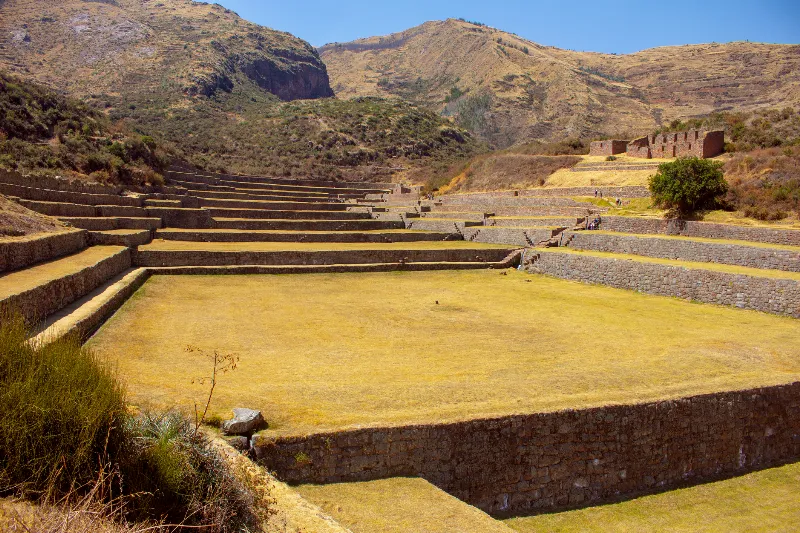
High in the Andes, the Inca civilization thrived amid challenging terrains. The mountainous landscape, while difficult to navigate, provided natural defenses against invasions. This geographic isolation allowed the Incas to develop a distinct culture and bolster their power without external interference. The steep slopes and valleys were transformed into terraces, maximizing arable land and ensuring food security for the burgeoning population.
Agricultural Innovations
Key to the Inca rise was their mastery of agriculture. The Incas engineered sophisticated irrigation systems that harnessed mountain streams, enabling them to cultivate crops in otherwise inhospitable areas. They developed diverse agricultural practices, including the cultivation of potatoes and maize, which became staples of their diet. This agricultural surplus supported a growing population and allowed the Incas to sustain large armies, facilitating expansion.
Social Organization and Governance
The Incas implemented an efficient administrative system that connected their vast empire. A network of roads and messengers facilitated communication across diverse regions, integrating various cultures under Inca rule. The society was structured hierarchically, with the Sapa Inca at the top, considered a deity on earth. This centralized authority not only maintained order but also promoted public works, including impressive architectural feats such as Machu Picchu and extensive road systems, which enhanced trade and military movement.
As the Inca civilization expanded, it absorbed diverse groups, forging alliances and assimilating cultures. These strategies were pivotal in establishing one of the most remarkable empires in pre-Columbian history, underscoring the complex interplay of geography, innovation, and governance that shaped their legacy.
Hungry for more?
Explore thousands of insights across all categories.
