
Exploration Sparks Discovery of Machu Picchu's Hidden Treasures

Unveiling the Past
Amidst the lush greenery of the Peruvian Andes, a hidden city awaited discovery. In 1911, explorer Hiram Bingham, motivated by a quest for Incan history, embarked on a journey that would change the course of archaeology. Local farmers had spoken of ruins high in the mountains, igniting Bingham's curiosity and setting him on a path toward one of history's most significant archaeological finds.
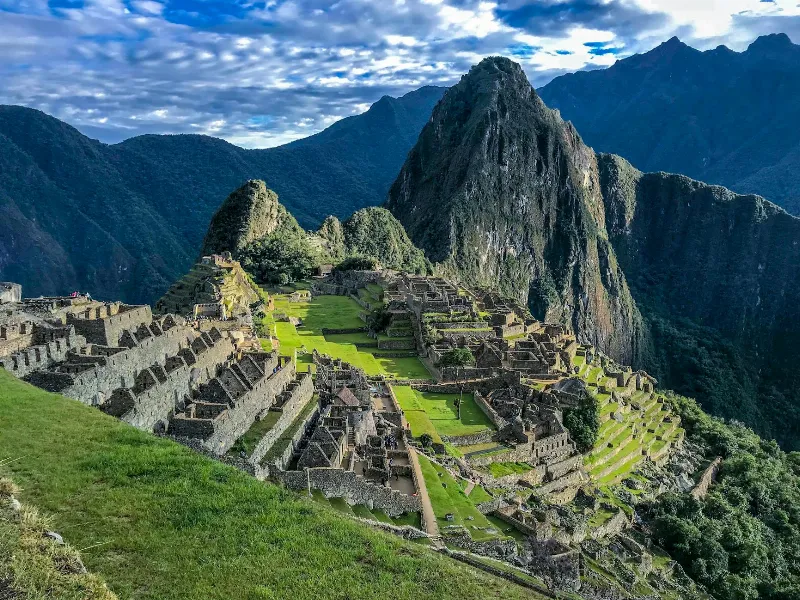
Upon reaching the site, Bingham was met with breathtaking terraces, intricate stonework, and a landscape that seemed untouched by time. The air buzzed with the excitement of uncovering a civilization that thrived centuries before. Each stone whispered stories of the Incas, their agricultural ingenuity, and their architectural prowess. This was not merely a discovery of ruins; it was a glimpse into a complex culture that had flourished in isolation.
Historical Context and Significance
At the time of Machu Picchu's discovery, the world was experiencing a burgeoning interest in archaeology and ancient civilizations. The early 20th century was marked by significant archaeological endeavors, driven by a desire to understand humanity's past. Bingham's find resonated with this zeitgeist, capturing imaginations and reshaping perceptions of the Inca Empire.
As word spread about this remarkable site, scholars, tourists, and treasure hunters flocked to the region. Machu Picchu became a symbol of exploration and adventure, a testament to human curiosity and the relentless pursuit of knowledge. Yet, it also raised questions about the ethics of excavation and the representation of indigenous cultures in historical narratives.
The impact of Bingham's discovery rippled beyond the borders of Peru. It led to increased funding for archaeological research and a growing appreciation of pre-Columbian civilizations. As scholars delved deeper into Incan history, they began to recognize the sophistication of their society, challenging previous notions that had marginalized their achievements.
A New Era of Archaeology
In the wake of Machu Picchu's revelation, a new era of archaeology emerged. The site emphasized the importance of preserving cultural heritage and respecting the narratives of indigenous peoples. Bingham's initial explorations, while groundbreaking, also paved the way for discussions on how archaeology should engage with local communities and honor their histories.
Today, Machu Picchu stands as a UNESCO World Heritage site and a testament to human ingenuity. It invites millions to witness the legacy of the Incas while reminding us of the delicate balance between exploration and preservation. As we step into this ancient city, we not only explore a physical space but also connect with the enduring spirit of a civilization that continues to inspire.
Hungry for more?
Explore thousands of insights across all categories.
