
What Led to the Downfall of the Mayan Civilization
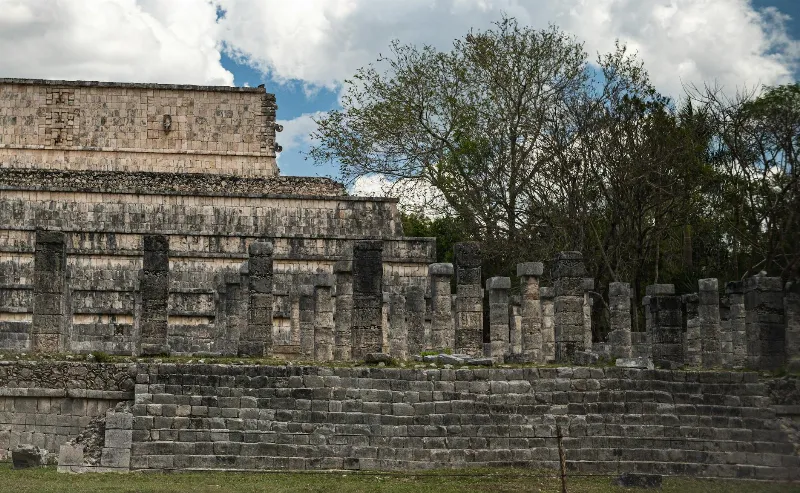

In a sun-drenched plaza, towering stone temples cast long shadows over a once-bustling city. Merchants hawk their wares, children play among the intricate carvings, and priests prepare for rituals that connect the earthly to the divine. Yet, as the sun sets, a whisper of unease begins to ripple through the air, a sense that all is not as it seems in this vibrant tapestry of life.
Centuries of prosperity characterized the Mayan civilization, renowned for its advancements in mathematics, astronomy, and architecture. However, by the end of the 8th century, many urban centers experienced an abrupt decline. This shift was not the result of a single event but rather a culmination of multiple factors that entwined to create a perfect storm of crisis.
Environmental Strain and Resource Depletion
As the population grew, the demand for resources intensified. Deforestation to clear land for agriculture led to soil depletion, which reduced crop yields. At the same time, prolonged droughts, confirmed by scientific studies of sediment cores, exacerbated water scarcity. Farmers, once able to sustain their families and communities, found their fields barren, and hunger spread through the ranks. This environmental strain forced many to abandon their homes in search of more fertile ground.
Societal Conflict and Political Fragmentation
Amidst these environmental challenges, internal strife began to surface. City-states that once thrived on trade and cooperation found themselves in competition for dwindling resources. Political leaders struggled to maintain power as rival factions emerged, leading to warfare and unrest. The social fabric that held communities together began to fray, as distrust and fear took root. Rituals that once unified the populace lost their significance, leaving a void that could not be easily filled.
As cities fell into disrepair and populations dwindled, the once-mighty Mayans retreated into the jungles, leaving behind echoes of their grandeur. Abandoned temples and crumbling pyramids stand as silent witnesses to a civilization that was once a beacon of cultural achievement. The disappearance of the Mayans is not merely a historical puzzle; it serves as a reminder of the delicate balance between humanity and its environment.
In the end, the Mayan civilization's decline reflects a complex interplay of environmental, social, and political challenges. The lessons from their fate continue to resonate today, urging modern societies to consider the sustainability of their own practices.
Hungry for more?
Explore thousands of insights across all categories.
