
Unveiling the Forgotten Secrets of Machu Picchu
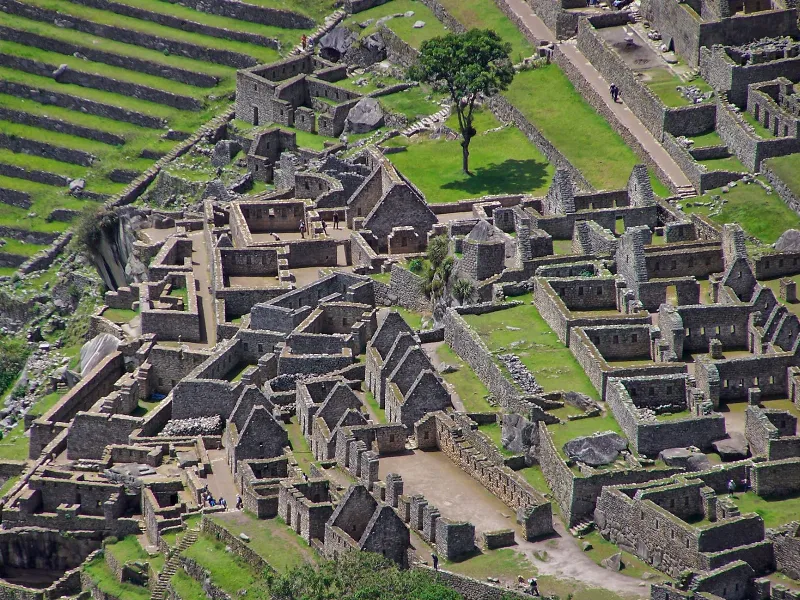

Entering the Citadel
Amid the misty peaks of the Andes, a traveler stands at the entrance of Machu Picchu, a marvel of stone and ingenuity. The sound of the wind rustles through the lush vegetation, and the remnants of a once-thriving city whisper stories of its past. This 15th-century Incan citadel captures the imagination, not only for its breathtaking views but also for the enigma surrounding its decline.
Environmental Challenges
As the Inca civilization flourished in the 15th century, so did its reliance on the surrounding landscape. The region's unique geography presented both advantages and challenges. Located high in the Andes, Machu Picchu benefited from fertile land for agriculture. Yet, this environment was not without its risks. Heavy rains and landslides were common, threatening the stability of the structures and the safety of its inhabitants.
Recent studies suggest that climate fluctuations may have played a critical role in Machu Picchu's fate. Evidence of prolonged droughts followed by intense rainfall may have disrupted agricultural production, leading to food shortages. As the community struggled to sustain itself, the delicate balance between nature and civilization began to shift.
Social Dynamics and Political Shifts
Alongside environmental pressures, social dynamics within the Incan Empire also influenced Machu Picchu’s decline. As the empire expanded, resources were increasingly diverted to support military campaigns and the needs of the ruling class. The strain on local populations grew, leading to internal tensions. The citadel, once a symbol of power and architectural brilliance, might have transformed into a burden for its residents.
In the wake of these changes, a series of political shifts and societal upheavals emerged. The arrival of the Spanish conquistadors in the 16th century marked a turning point, as the Incan Empire faced external threats that further destabilized its structure. The loss of political cohesion and the imposition of foreign rule may have forced the abandonment of cities like Machu Picchu, as displaced communities sought safety elsewhere.
As the traveler gazes upon the ruins, it becomes clear that the story of Machu Picchu is not merely one of loss but of resilience. The remnants of the citadel continue to stand as a testament to the ingenuity of the Inca people and the complexities of their world. The mystery of its abandonment invites deeper exploration of the interplay between environment, society, and history.
Hungry for more?
Explore thousands of insights across all categories.
