
Unraveling the Discovery of Machu Picchu: Key Moments and Players

Entering the Lost City
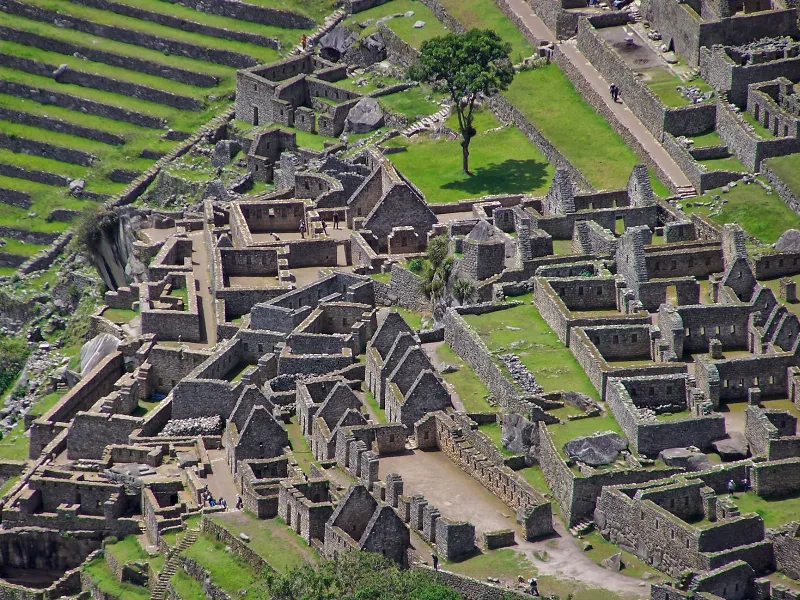
In 1911, Hiram Bingham, an American historian and explorer, stepped into what he believed was a forgotten world. Nestled high in the Andes, Machu Picchu emerged from the dense cloud forest, revealing the stone structures and terraced fields of a city long lost to time. Bingham’s arrival was not merely a stroke of luck; it was the culmination of a series of events that began decades earlier, drawing on the interest of explorers, scholars, and local farmers.
Building Interest in Incan Civilization
Before Bingham’s expedition, the Inca civilization was already a subject of fascination for many. The late 19th and early 20th centuries saw a surge in archaeological interest in South America, driven by discoveries in other regions. Reports of ancient ruins and stories from local farmers piqued Bingham's curiosity. He learned about Machu Picchu from locals who spoke of the ruins they referred to as “Old Peak.” These accounts fueled his ambition to locate and document the site.
Bingham's journey was facilitated by the Yale Peruvian Expedition, which he led with the support of Yale University and the National Geographic Society. His expedition aimed not only to discover Machu Picchu but also to explore the broader Incan legacy. Bingham's detailed notes and photographs would later play a vital role in bringing global attention to the site.
Unveiling a Cultural Treasure
The discovery of Machu Picchu was transformative. It expanded the understanding of Inca architecture, agriculture, and society. As Bingham meticulously cataloged the site, the world began to appreciate the sophistication of the Inca civilization, its advanced agricultural techniques, intricate stonework, and spiritual significance.
Despite its cultural importance, Bingham's methods were controversial. Some criticized his extraction of artifacts from the site, arguing that they belonged in Peru. This sparked ongoing debates about heritage and ownership that resonate to this day. Nevertheless, Machu Picchu became a symbol of Incan heritage and a significant tourist destination, attracting visitors from around the world.
Even decades later, the impact of Bingham's discovery continues to echo in archaeological and cultural conversations. Machu Picchu remains a testament to the complexity of Inca civilization and the enduring allure of ancient cultures.
Hungry for more?
Explore thousands of insights across all categories.
