
Unraveling Forces Behind the Ascendancy of the Han Dynasty
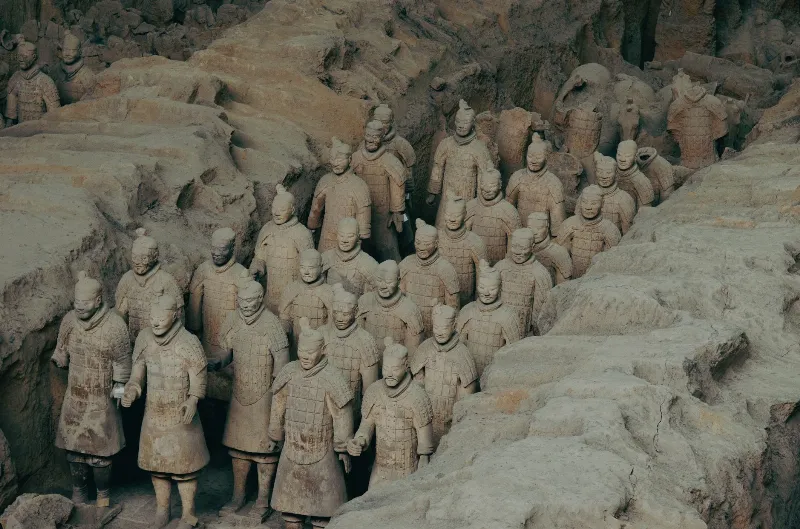

Amidst the lingering dust of the Qin Dynasty's fall, a small group of strategists gathered in a dimly lit chamber. They were advisors to Liu Bang, a former peasant who had risen through the ranks of the rebellion against the Qin. Their discussions were filled with urgency and hope, as the vision of a new dynasty began to take shape. This was the moment that would lead to the birth of the Han Dynasty, an era that would leave an indelible mark on Chinese history.
Strategic Alliances and Political Acumen
Liu Bang's ascent was rooted not just in his military successes but also in his keen understanding of political dynamics. After the Qin's harsh rule, Liu capitalized on widespread discontent among the populace. He forged alliances with former rival warlords and local leaders, promising them autonomy in exchange for loyalty. This strategy not only consolidated his power but also helped in stabilizing the region, fostering a sense of unity among disparate factions.
The Han also implemented significant reforms that addressed the needs of the common people. Reducing heavy taxation and labor demands eased the burdens that had led to the Qin's downfall. These policies not only garnered popular support but also encouraged agricultural productivity, essential for a thriving economy.
Cultural Integration and Intellectual Flourishing
As the Han Dynasty established itself, it became a melting pot of cultures. The integration of diverse groups contributed to a rich, evolving cultural landscape. Confucianism emerged as a guiding philosophy, emphasizing morality and governance. This philosophy resonated deeply with the populace, influencing both governance and daily life.
The Han era also witnessed a renaissance in arts and sciences. Scholars were encouraged to explore various fields, leading to advancements in technology, astronomy, and medicine. This intellectual flourishing positioned China as a beacon of civilization in the ancient world, laying the groundwork for future dynasties.
Legacy of the Han Dynasty
By the time Liu Bang was declared Emperor Gaozu, the Han Dynasty had become a symbol of stability and cultural richness. Its legacy would endure for centuries, influencing governance, philosophy, and cultural practices. The decisions made in that dimly lit chamber reverberated through time, as the Han set the stage for a civilization that would thrive and evolve.
As the Han Dynasty solidified its power, it transformed the very fabric of Chinese society. From strategic alliances to cultural integration, the factors leading to its rise encapsulate a pivotal moment in history, characterized by resilience and vision.
Hungry for more?
Explore thousands of insights across all categories.
