
Rise of the Sogdian Civilization Explained
Strategic Location on the Silk Road
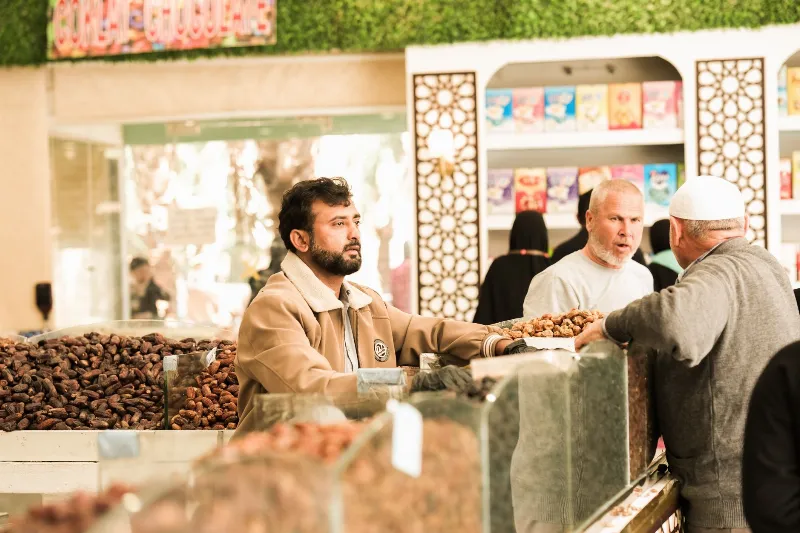
Imagine a bustling marketplace, vibrant with the sounds of foreign languages and the scents of exotic spices. This was the Sogdian trading post, strategically positioned along the Silk Road, which linked China to the Mediterranean. The Sogdians capitalized on their location, becoming intermediaries between East and West. They facilitated not only the exchange of goods such as silk, precious metals, and textiles but also ideas and cultural practices. Their role transformed them into a pivotal force in the ancient global economy.
Cultural Syncretism and Adaptation
As traders, the Sogdians were more than just merchants; they were cultural chameleons. Influenced by various civilizations, including Persian, Indian, and Chinese cultures, they blended these elements into their own unique society. This syncretism is evident in Sogdian art, language, and even religion, with Zoroastrianism and Buddhism taking root among them. Their ability to adapt and embrace diversity played a crucial role in their rise, allowing them to thrive in a multicultural environment.
Political Alliances and Influence
Amidst the chaos of shifting empires, the Sogdians adeptly navigated the political landscape. They forged alliances with powerful states, including the Persian Empire and later the Tang Dynasty, which provided them with protection and legitimacy. These alliances enabled them to expand their influence, establishing Sogdian colonies and trading networks that extended across Central Asia. Their political savvy not only secured their economic interests but also ensured their cultural legacy endured through centuries.
The Sogdian civilization illustrates how location, cultural adaptability, and political acumen can shape a society's trajectory. Their legacy remains a testament to the interconnectedness of ancient civilizations, where trade and culture fostered a rich tapestry of human history.
Hungry for more?
Explore thousands of insights across all categories.