
Persian Empire's Ascendancy: Forces Behind Its Rise
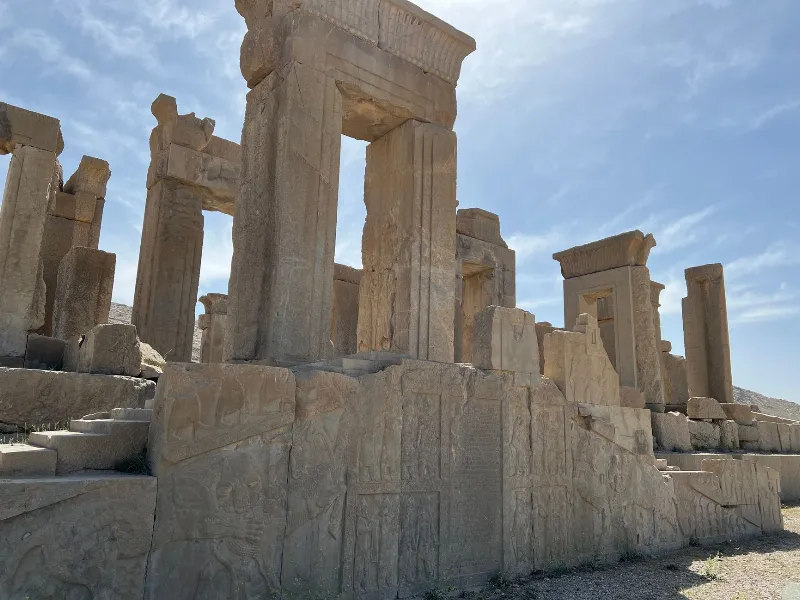

In the shadow of a sprawling empire, the air crackled with tension as Cyrus the Great pondered his next move. A young leader with ambitions far beyond the borders of his homeland, he understood that the key to power lay not just in conquest but in the ability to unite. The Persian Empire, which would emerge as one of the largest in ancient history, began its ascent not merely through military might, but through strategic alliances and cultural integration.
By the mid-6th century BCE, the region was a tapestry of kingdoms and tribes, each with their own customs and governance. Cyrus, who hailed from the relatively modest Achaemenid dynasty, displayed acumen that distinguished him from other rulers. His campaigns against the Medes, who previously dominated the area, were not just about subjugation; they were about forging a new identity. Rather than erasing the cultures of the people he conquered, Cyrus respected their traditions and religions, allowing them a degree of autonomy that fostered loyalty.
Military Strategy and Diplomacy
As Cyrus expanded his territory, he employed a blend of military strategy and diplomacy. The conquest of Babylon in 539 BCE is a prime example. Instead of a brutal siege, Cyrus orchestrated a clever diversion, allowing his forces to enter the city with little resistance. His approach not only minimized bloodshed but also won him the admiration of the Babylonians, who viewed him as a liberator rather than an oppressor. This reputation would be vital as he continued to build an empire that spanned from the Indus River in the east to the Aegean Sea in the west.
With every new territory acquired, Cyrus implemented a policy of tolerance. He famously allowed the Jews to return to Jerusalem and rebuild their temple, a decision that further solidified his legacy as a benevolent ruler. Such actions created a mosaic of cultures within the empire, which thrived under a system that promoted diversity rather than uniformity.
Legacy of the Persian Empire
As the Persian Empire expanded, it became a melting pot of ideas, trade, and technologies. The Royal Road facilitated communication and commerce across vast distances, linking diverse peoples and economies. This infrastructure not only enhanced economic prosperity but also helped to disseminate cultural practices and innovations throughout the empire.
While Cyrus laid the foundation, his successors, particularly Darius I, continued to expand and refine the empire's administrative systems. The use of satraps, or provincial governors, ensured local governance while maintaining central authority, allowing Persia to manage its vast territories effectively. The intricate balance of power, respect for local customs, and a focus on infrastructure were pivotal in sustaining the empire's influence for over two centuries.
As the sun set over the Persian landscape, the empire stood not just as a testament to military conquest but as a symbol of how diverse cultures can coexist under a shared governance. The rise of the Persian Empire serves as a reminder of the power of unity amid diversity, a lesson that resonates throughout history.
Hungry for more?
Explore thousands of insights across all categories.
