
Ancestral Puebloans: Factors Behind Their Disappearance
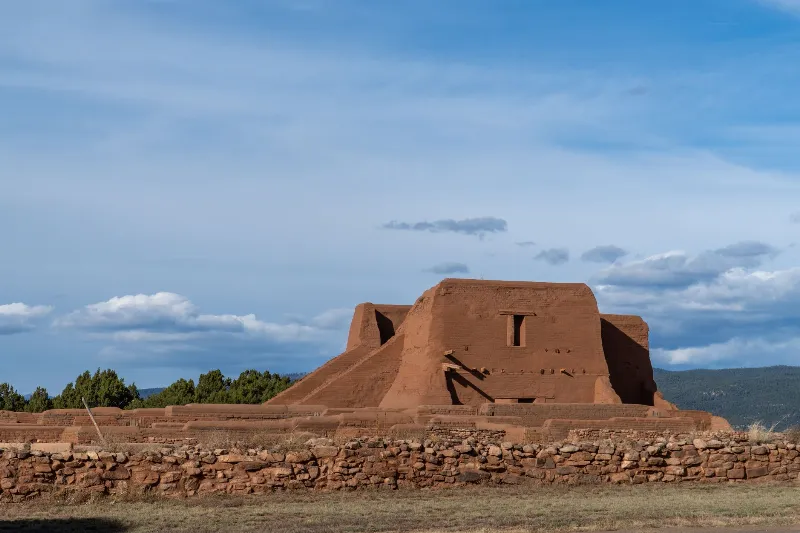

Sunlight streamed through the narrow crevices of the sandstone cliffs, illuminating the intricate stonework of the cliff dwellings. The Ancestral Puebloans thrived in this arid landscape, developing a complex society characterized by agriculture, trade, and elaborate cultural practices. Yet, by the late 13th century, their vibrant communities had vanished, leaving behind silent ruins and unanswered questions.
Environmental Shifts
As the 1200s progressed, climate patterns shifted dramatically in the American Southwest. Prolonged droughts began to stretch across the region, drastically reducing water availability. These environmental changes had profound effects on agriculture, the backbone of Ancestral Puebloan society. Fields that once yielded bountiful crops turned barren, and the people faced increasing difficulties in sustaining their population.
Archaeological evidence suggests that the Ancestral Puebloans adapted to these changes initially by diversifying their cropping systems. However, as drought conditions persisted, reliance on traditional farming methods became untenable. The once-thriving communities faced food shortages, leading to heightened competition for dwindling resources.
Social Dynamics and Migration
Amid environmental stress, social dynamics within Ancestral Puebloan society began to unravel. Communities that had previously thrived on trade and cooperation found themselves in conflict over the remaining resources. Increased competition likely exacerbated tensions, leading to social fragmentation. Evidence of defensive structures and signs of conflict in archaeological sites indicate a shift from collaboration to conflict.
Faced with resource scarcity and internal strife, many groups chose to migrate. Some moved to more fertile areas, while others integrated into neighboring communities. This migration was not a singular event but rather a series of movements influenced by environmental and social pressures. The once-unified culture began to disperse, leading to the gradual disappearance of the Ancestral Puebloans as a distinct group.
Legacy and Reflection
As the last of the Ancestral Puebloans departed their cliff dwellings, the echoes of their civilization lingered in the landscape. The remnants of their structures serve as a testament to their ingenuity and resilience in the face of adversity. Today, their story prompts reflection on the delicate balance between environmental sustainability and societal cohesion.
In examining the decline of the Ancestral Puebloans, we witness a narrative not just of loss but also of adaptation and change. Their legacy remains visible, urging contemporary societies to consider the lessons of resource management and community resilience in the face of changing environments.
Hungry for more?
Explore thousands of insights across all categories.
