
Nocturnal Creatures' Sensory Superpowers for Night-Time Hunting

Unique Adaptations for Nighttime Survival
Nocturnal animals have developed specialized adaptations that enable them to thrive in low-light conditions. These adaptations serve not only for hunting but also for navigation and avoiding predators. For instance, many nocturnal creatures possess enhanced night vision due to a higher number of rod cells in their retinas, allowing them to detect even the faintest light.
Sound and Smell: The Hidden Senses
Beyond vision, sound and smell play crucial roles in the survival of nocturnal animals. Many species, such as owls and bats, have acute hearing that allows them to detect the slightest movements of their prey. Bats utilize echolocation, emitting high-frequency sounds that bounce off objects, helping them to pinpoint the location of insects in complete darkness. Similarly, animals like foxes have a highly developed sense of smell that aids in locating prey hidden beneath snow or foliage.
Examples of Nocturnal Masters
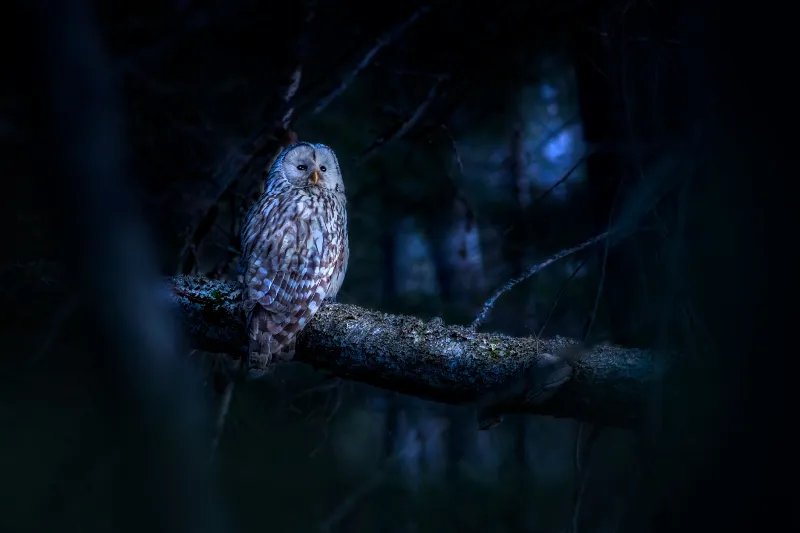
- Owls: With their exceptional hearing and large eyes, owls can hunt effectively at night, detecting even the quietest sounds made by their prey.
- Bats: The use of echolocation allows bats to navigate and hunt for insects in total darkness, making them highly efficient hunters.
- Foxes: Equipped with a keen sense of smell, foxes can locate prey hidden in various environments, including urban areas.
Understanding the sensory abilities of nocturnal animals provides insight into their survival strategies and their ecological roles. These adaptations highlight the intricate connections between species and their environments, showcasing the wonders of evolution in action.
Hungry for more?
Explore thousands of insights across all categories.
