
Mysteries Behind Petra's Lost City and Its Disappearance
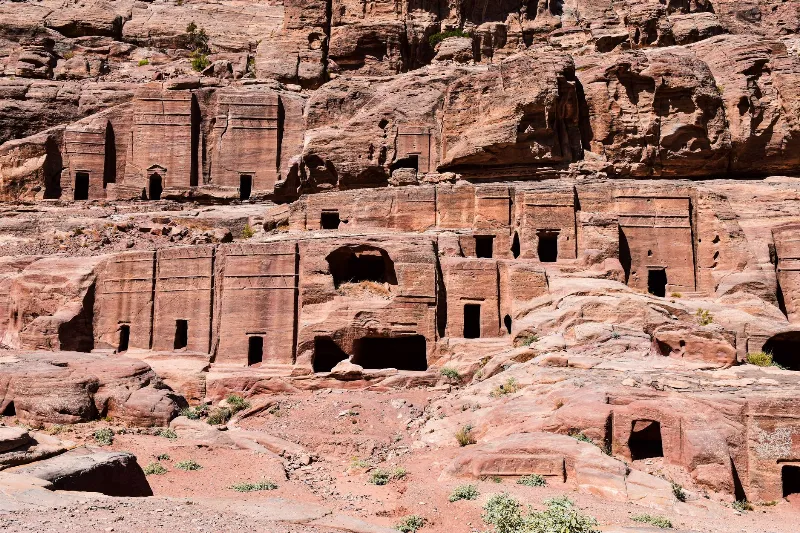

Amidst the rose-red cliffs of southern Jordan, an ancient city breathes stories of opulence and decline. Petra, known as the ‘Rose City’ for its stunning sandstone architecture, was a vital trade center for centuries. Merchants traversed its narrow canyons, exchanging spices, silk, and precious metals, allowing the Nabataeans to thrive. But as the last trader left, silence enveloped the city, leading to questions of what truly caused Petra's gradual disappearance.
Environmental Factors and Resource Management
Petra's strategic location was once an advantage, offering access to trade routes that connected the East and West. However, environmental changes began to challenge this success. The region's climate shifted, leading to reduced rainfall and increasing aridity. The ingenious water management systems, which had sustained the city through aqueducts and cisterns, became less effective. As water scarcity grew, agricultural yields declined, making it difficult for the population to sustain itself.
Additionally, geological events, such as earthquakes, may have damaged infrastructure, further complicating daily life. As the viability of Petra diminished, its population began to dwindle, and the once-bustling streets fell silent.
Economic Shifts and Trade Routes
Petra's economy, heavily reliant on trade, faced significant transformation during the rise of new trade routes. As maritime trade became more prominent, particularly with the development of ports along the Red Sea, caravans that once flowed to Petra began to reroute. This shift diminished the city’s importance in the global trade network, leading to economic decline.
With less commerce, the wealth that had once filled Petra’s coffers began to evaporate. As merchants sought new opportunities elsewhere, the city's prosperity dwindled, resulting in abandoned homes and vacant marketplaces.
Historical Events and Cultural Impact
Petra did not merely fade due to environmental or economic factors; it also became a victim of larger historical events. The Roman conquest of Nabataea in 106 AD marked a significant turning point. While the Romans initially continued to respect the city's infrastructure, their influence and the shifting political landscape led to further decline. Over time, Petra became less relevant and eventually was lost to the annals of history.
By the Middle Ages, Petra had become the stuff of legend, known to a few wandering traders and explorers. Its rediscovery in the 19th century by Western explorers reignited interest in its past, yet many questions remain about the final days of this once-great city.
Today, Petra stands as a testament to human ingenuity and resilience, while its mysteries invite ongoing exploration. The reasons behind its decline reflect a convergence of environmental, economic, and historical factors, leaving a legacy that continues to captivate the world.
Hungry for more?
Explore thousands of insights across all categories.
