
Exploring the Mysterious Fate of the Library of Alexandria
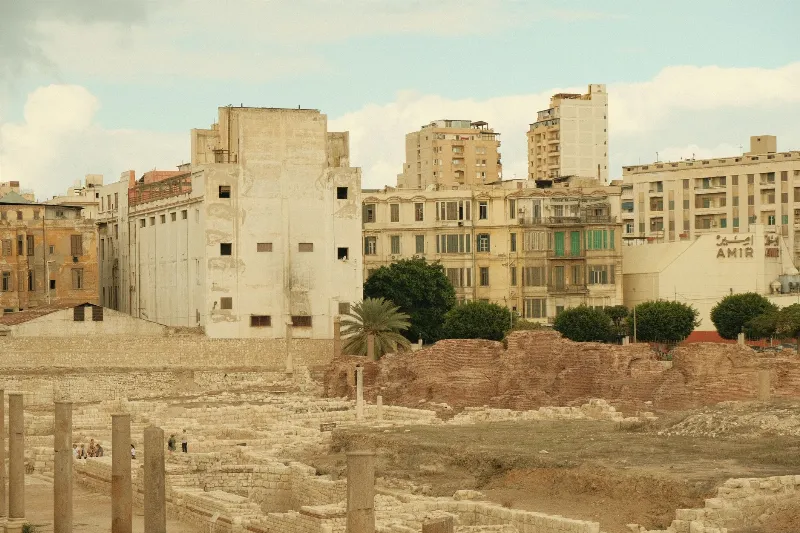

Inside the Halls of Learning
Amidst the bustling streets of ancient Alexandria, the Library stood as a monument to human intellect and ambition. Scholars from various cultures converged here, sharing ideas and manuscripts that shaped the ancient world. Yet, this vibrant center of learning would become a ghost of its former self, disappearing into the mists of time.
Events Leading to Annihilation
Several events contributed to the decline of the Library. One significant moment occurred during the Roman civil wars when Julius Caesar set fire to the ships in Alexandria's harbor. This conflagration, likely spreading to nearby structures, may have consumed parts of the Library. However, the extent of the damage remains debated among historians.
Later, as Christianity rose in prominence, many ancient texts were deemed heretical. The Library's collection, which included works of philosophy, science, and literature from pagan traditions, faced scrutiny. The changing tides of belief systems often put knowledge at risk, leading to the gradual loss and destruction of invaluable documents.
Legacy of Loss
By the time the Library's existence faded into obscurity, it was not merely a loss of a building but a profound cultural void. The knowledge contained within those scrolls could have propelled human understanding forward, potentially altering the course of history. Without a definitive account of its demise, the Library of Alexandria remains a symbol of the fragility of human achievement.
As echoes of its past linger, the Library serves as a reminder of the importance of preserving knowledge and culture. The questions surrounding its disappearance continue to inspire curiosity and debate, highlighting the delicate balance between progress and preservation.
Hungry for more?
Explore thousands of insights across all categories.
