
Human Bones Outperform Concrete in Strength Tests
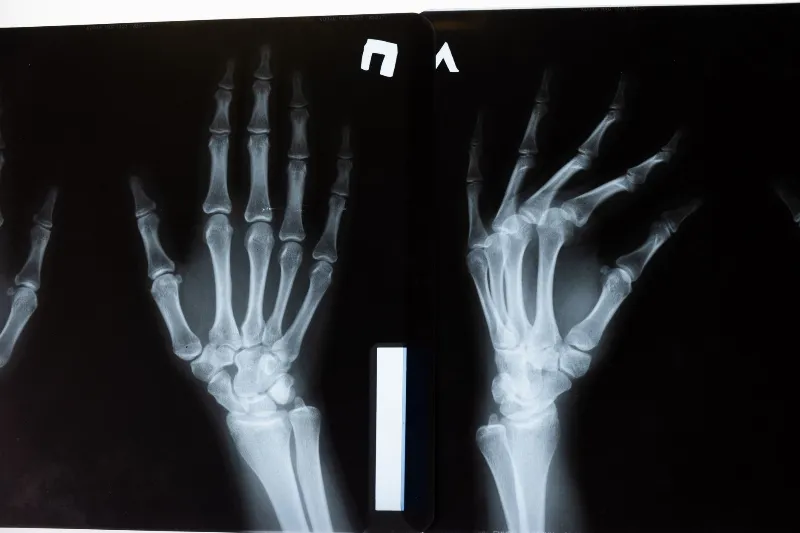

Human bones, often taken for granted, possess a remarkable strength that surpasses even concrete under certain conditions. With a tensile strength of around 130 megapascals, human bones can endure significant forces without fracturing, showcasing an impressive resilience that challenges common perceptions of biological materials.
Comparative Strength Analysis
When evaluating the structural integrity of materials, concrete typically stands out as a robust choice for construction. However, research indicates that bones exhibit a unique combination of strength and flexibility. While concrete is strong in compression, it lacks the tensile strength that bones possess, allowing them to absorb and dissipate energy effectively. This characteristic is crucial in activities such as running, where bones experience repeated stress without failure.
Implications for Material Science
This newfound understanding of bone strength has potential applications in various fields. For instance, bio-inspired engineering can lead to the development of new materials that mimic the properties of bone, combining stiffness with lightweight flexibility. Such innovations could revolutionize industries ranging from automotive to aerospace, where material efficiency is paramount.
Furthermore, insights from the study of human bones can enhance medical interventions, particularly in orthopedic surgery and prosthetics. By understanding how bones withstand stress, researchers can better design implants that integrate seamlessly with the body, improving longevity and functionality.
As research into the strong yet lightweight nature of human bones continues, the potential for innovation across multiple sectors expands. The intricate design of biological materials like bones not only challenges traditional engineering concepts but also inspires new avenues for sustainable development in material science.
Hungry for more?
Explore thousands of insights across all categories.
