
Ancient Roman concrete withstands time: What modern engineers can learn from its durability

Introduction to Roman Concrete
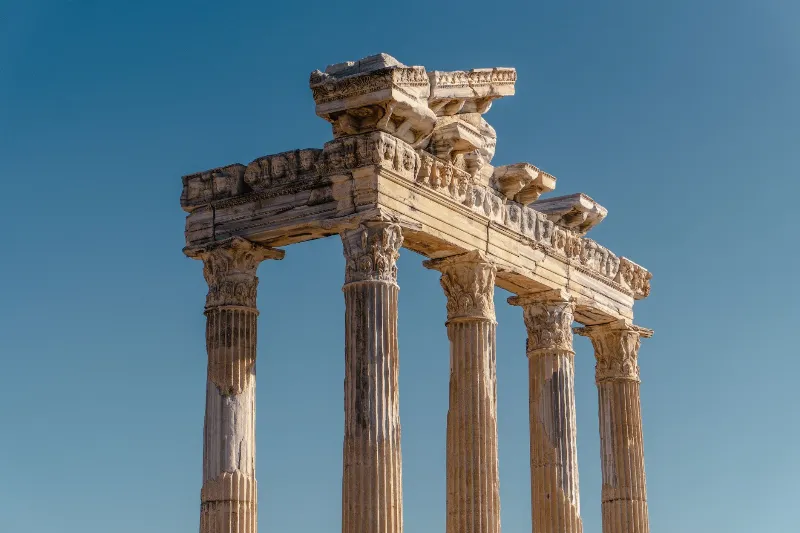
Roman concrete, known as opus caementicium, is a remarkable building material that has baffled modern scientists. Created over 2,000 years ago, it has outlasted many contemporary structures, raising questions about its unique composition and the techniques used in its creation. Unlike today’s concrete, which often degrades within 50 years, Roman concrete remains intact, showcasing exceptional durability and resistance to environmental factors.
The Ingredients Behind the Strength
The secret behind Roman concrete lies in its ingredients. Romans used volcanic ash, known as pozzolana, mixed with lime and seawater to create a chemical reaction that enhanced strength. This blend not only provided solid structural integrity but also made it resistant to cracking and erosion. In fact, studies show that the use of volcanic ash allowed the concrete to strengthen over time, unlike modern mixes that can weaken.
Why Did It Remain a Mystery?
For centuries, the exact formula and methods of Roman concrete production were lost to time. As modern construction methods evolved, the focus shifted towards speed and cost rather than longevity. Consequently, the knowledge of Roman techniques faded, leading to a reliance on faster-setting but less durable materials in contemporary construction. Recent scientific advancements, however, have revived interest in understanding and replicating these ancient methods.
Modern Implications and Applications
Today, engineers and scientists are studying Roman concrete to enhance the durability of modern structures. With climate change and environmental degradation posing significant challenges, the lessons learned from ancient methods could lead to more sustainable and resilient building materials. For instance, researchers have begun experimenting with adding volcanic ash into modern concrete mixes, mirroring the ancient formula.
Case Studies of Roman Structures
Iconic Roman structures such as the Pantheon and the Colosseum serve as prime examples of the effectiveness of their concrete. The Pantheon’s dome, still the largest unreinforced concrete dome in the world, showcases the material’s strength and the innovative engineering techniques employed by the Romans. These structures have withstood earthquakes, wars, and natural weathering, proving the longevity of Roman engineering.
Conclusion: A Lesson in Durability
The study of ancient Roman concrete not only fascinates historians and architects but also holds practical implications for modern engineering. By revisiting these age-old techniques, we can learn to build more sustainable and durable structures that can withstand the test of time, just as the Romans did. The journey of rediscovering these methods may very well shape the future of construction.
Hungry for more?
Explore thousands of insights across all categories.
