
Curious Secrets of the Amazon Rainforest

A Biodiversity Hotspot
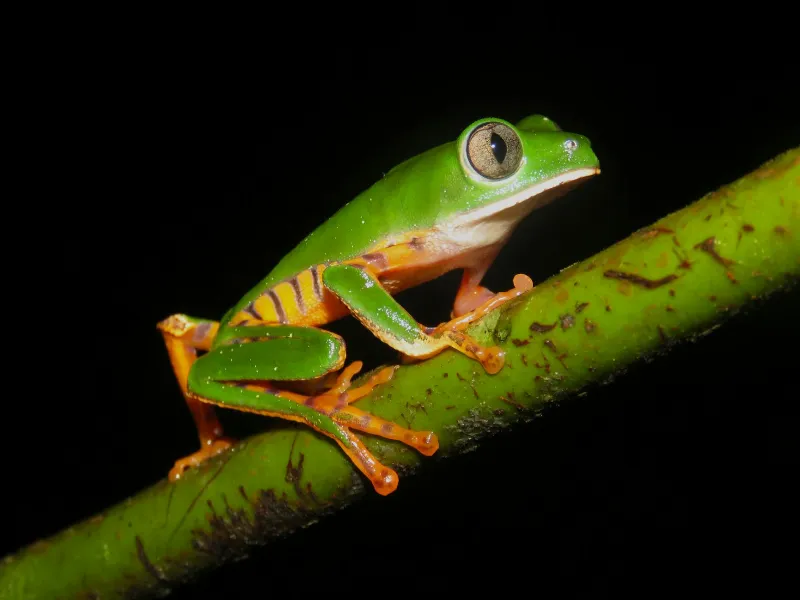
The Amazon Rainforest is often referred to as the lungs of the Earth, but it's also a vibrant hotspot of biodiversity. It is home to over 390 billion individual trees, belonging to around 16,000 different species. This incredible variety creates a rich habitat for countless animal and plant species, many of which are yet to be discovered. For instance, scientists estimate that around 10% of all known species on Earth can be found in this one region.
Among its diverse inhabitants, the Amazon houses iconic animals like the jaguar, pink river dolphin, and countless bird species, such as the harpy eagle. Each species plays a crucial role in maintaining the ecological balance of the rainforest. The intricate web of life in the Amazon showcases the interdependence of its flora and fauna, emphasizing the importance of preserving this ecosystem.
Research in the Amazon is ongoing, with scientists continually uncovering new species and understanding their roles within the ecosystem. This knowledge not only enriches our understanding of biology but also aids in the development of conservation strategies aimed at preserving this irreplaceable natural resource.
Medicinal Wonders
Perhaps one of the most surprising secrets of the Amazon is its potential for medicinal discoveries. Approximately 25% of modern medicines have origins in rainforest plants. Consider the rosy periwinkle, which is used to treat leukemia and Hodgkin's lymphoma. The continuous exploration of Amazonian flora could lead to breakthroughs in medicine, but deforestation threatens this treasure trove of natural remedies.
Additionally, the bark of the cinchona tree, which produces quinine, has been used for centuries to treat malaria, highlighting the rainforest's historical significance in medicine. The Amazon is also believed to contain plants that could lead to treatments for diseases such as cancer and heart disease, making its preservation even more critical for future generations.
Pharmaceutical companies are increasingly looking toward the Amazon for new compounds, but ethical considerations must be addressed regarding the rights of indigenous peoples and the sustainable harvesting of these resources. Collaborations between scientists and local communities could pave the way for responsible exploration and conservation.
Indigenous Knowledge
The indigenous tribes of the Amazon have long understood the forest's secrets. Their traditional knowledge about plants and animals is invaluable, offering insights into sustainable living. For example, the Yanomami people use specific plants for healing wounds and treating infections, knowledge that modern science is only beginning to validate. This connection between indigenous wisdom and modern science could be key to conserving the rainforest.
Moreover, indigenous communities have developed sustainable agricultural practices that allow them to thrive without depleting the forest's resources. Their deep spiritual connection to the land fosters a sense of stewardship that is crucial for the rainforest's conservation. By recognizing and integrating this traditional knowledge into modern conservation efforts, we can help protect the Amazon for future generations.
Efforts are underway to legally recognize indigenous land rights, which could empower these communities to manage their resources sustainably and resist external pressures such as logging and mining. Supporting these communities not only helps preserve biodiversity but also enriches the global understanding of ecological balance.
Hidden Ecosystems
Many assume the Amazon is a uniform jungle, but it consists of diverse ecosystems, including flooded forests and savannahs. Each ecosystem supports different life forms. The varzea, or flooded forest, is a unique habitat where trees adapt to seasonal flooding, showcasing the resilience of life. Such hidden ecosystems emphasize the complexity of the rainforest and its adaptability.
Another unique ecosystem is the igapó, or blackwater forest, which is characterized by nutrient-poor waters. Plants in these areas have adapted to survive with less light and nutrients, highlighting the evolutionary ingenuity of life in the Amazon. These ecosystems are not only vital habitats for numerous species but also play a significant role in regulating the climate and hydrology of the region.
Understanding the various ecosystems within the Amazon is essential for effective conservation strategies. Each ecosystem has its own set of challenges and threats, and tailored approaches are necessary to ensure the survival of its unique biodiversity.
A Call for Conservation
The Amazon Rainforest faces unprecedented threats from deforestation, climate change, and industrial exploitation. As one of the most biodiverse regions on the planet, its preservation is crucial not only for the many species that inhabit it but also for global ecological health. Conservation efforts must be prioritized to safeguard this vital ecosystem.
International collaborations and local grassroots movements are essential in the fight against deforestation. Initiatives such as sustainable logging practices, reforestation projects, and eco-tourism can provide alternatives to destructive practices while benefiting local communities. Raising awareness about the importance of the Amazon and its role in climate regulation is also key in mobilizing support for conservation efforts.
Ultimately, the future of the Amazon Rainforest depends on a collective commitment to protect its wonders. By valuing biodiversity, respecting indigenous knowledge, and promoting sustainable practices, we can ensure that this incredible ecosystem continues to thrive for generations to come.
Hungry for more?
Explore thousands of insights across all categories.
