
Giant jellyfish invasion: What the massive blooms in the North Sea reveal about marine ecosystems
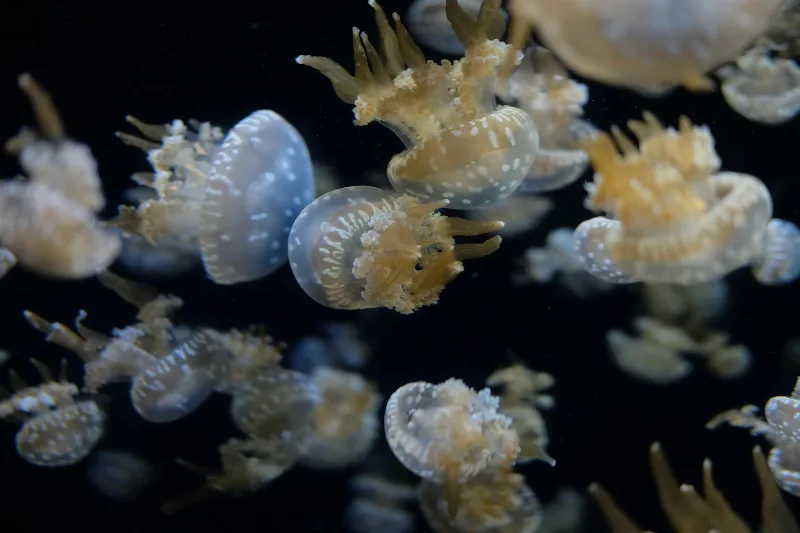

Understanding the Giant Jellyfish Phenomenon
Giant jellyfish, particularly Cyanea capillata, also known as the lion's mane jellyfish, have been increasingly spotted in alarming numbers in the North Sea. These gelatinous creatures can reach diameters of over 2 meters and tentacles extending up to 30 meters. But what does this invasion signify for marine ecosystems?
Impact on Marine Life
- Predation: Giant jellyfish consume vast amounts of zooplankton and fish larvae, directly impacting fish populations.
- Competition: Their presence can outcompete other marine species for food, leading to shifts in local biodiversity.
- Habitat Alteration: Large blooms can block sunlight, affecting photosynthetic organisms like phytoplankton.
Causes of the Invasion
Several factors contribute to the increasing prevalence of jellyfish in the North Sea:
- Climate Change: Warmer waters favor jellyfish reproduction and growth, disrupting traditional marine life cycles.
- Eutrophication: Nutrient runoff from agriculture leads to algal blooms, creating favorable conditions for jellyfish.
- Overfishing: Decreased fish populations allow jellyfish to thrive without natural predators.
Ecological Indicators
Giant jellyfish are often termed “ecosystem engineers” because their presence can reveal underlying problems in marine environments. Imagine observing a sudden influx of jellyfish and considering what it means for the future of marine biodiversity. Are they merely a nuisance, or are they symptomatic of larger ecological imbalances?
Future Perspectives
Researchers are closely monitoring jellyfish populations to assess their long-term impacts on marine ecosystems. Understanding the dynamics of these blooms is crucial for predicting future trends in marine biodiversity.
As we face climate challenges, the fate of our oceans hangs in the balance. What steps will we take to mitigate these changes?
Hungry for more?
Explore thousands of insights across all categories.
