
Animals That Can Survive Years Without Food

Remarkable Survivors
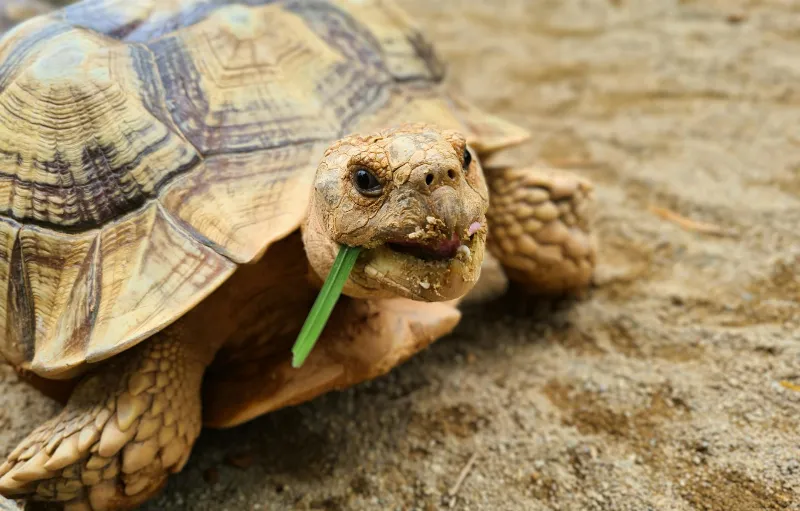
Some creatures possess astonishing capabilities to endure prolonged periods without food. For example, certain tortoises can survive without eating for over a year, relying on stored body fat and low metabolic rates. This adaptation is crucial for life in arid environments where food scarcity is common.
Physiological Adaptations
Other animals, like certain species of frogs, can enter a state of suspended animation, allowing them to survive months or even years without nourishment. During this state, their metabolic processes slow down dramatically, conserving energy until conditions improve. Additionally, some fish can survive prolonged periods without food by slowing their metabolism and utilizing energy reserves from their muscles.
Extreme Conditions
These survival strategies highlight the incredible resilience of life, showcasing how various species adapt to their environments. The ability to withstand long periods without food is not just a fascinating aspect of animal biology; it also underscores the delicate balance within ecosystems where food availability can fluctuate dramatically.
Understanding these adaptations provides insights into the evolutionary pressures that shape life on Earth. Each species' unique approach to survival offers a glimpse into the complexities of nature's design, revealing how life persists even in the harshest conditions.
Hungry for more?
Explore thousands of insights across all categories.
