
Chameleon vision revolution: How a unique eye structure enhances survival strategies
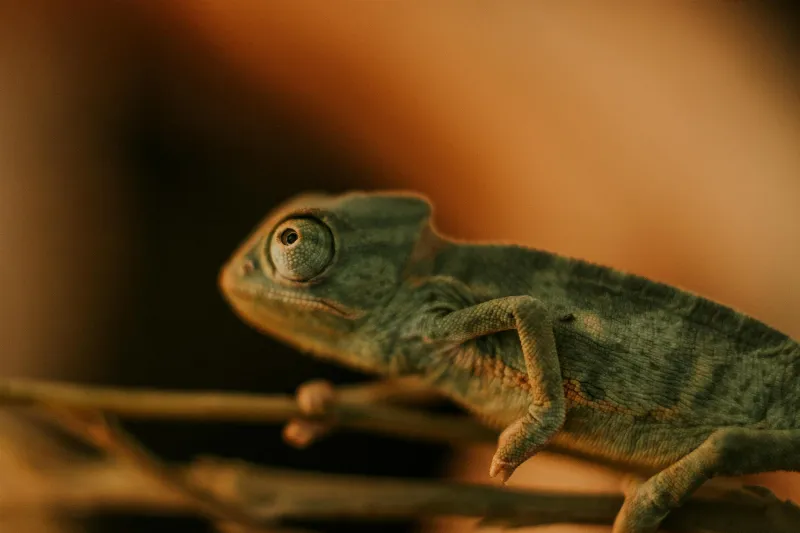

Incredible adaptations of chameleon vision
Chameleons have long fascinated scientists and nature lovers alike, but their vision is particularly striking. Equipped with eyes that can move independently, these reptiles can survey their surroundings with unprecedented clarity. Imagine being able to scan your environment without moving your head!
How their unique eye structure works
- Independent movement: Each eye can pivot in different directions, allowing for a panoramic view of potential threats and prey.
- Color perception: Chameleons can perceive a broad spectrum of colors, which aids in communication and hunting.
- High-resolution vision: Their eyes boast a high density of photoreceptor cells, enhancing detail recognition.
Survival strategies enhanced by vision
These remarkable visual adaptations play a crucial role in their survival strategies. Chameleons use their keen eyesight not just for hunting but also for avoiding predators. This dual functionality allows them to remain vigilant while searching for food.
Imagine this: a chameleon perched on a branch, its eyes scanning for the slightest movement. With the ability to see in nearly all directions simultaneously, it can detect danger long before a predator gets too close.
Color change and its visual implications
Chameleons are famous for their ability to change color, but this phenomenon is closely linked to their vision. By altering their skin color, they communicate with other chameleons and signal their mood or readiness to mate. This visual language is vital in their social interactions.
Furthermore, color change can also serve as a camouflage tactic, helping them blend into their surroundings and avoid detection.
Impact of chameleon vision on ecosystems
Chameleon vision not only affects individual survival but also has broader implications for ecosystems. As effective predators, they help maintain the balance of insect populations. Their unique hunting techniques ensure that they can thrive in various environments, from lush rainforests to arid deserts.
You might wonder how such adaptations have evolved over time. Natural selection has favored chameleons with superior visual capabilities, enabling them to better navigate their complex environments.
Future research directions
Ongoing research into chameleon vision could lead to groundbreaking advancements in technology. Scientists are examining how their eye structure can inspire innovations in cameras and surveillance systems. The potential applications are vast, from improving optical devices to enhancing robotics.
As we learn more about these incredible creatures, we gain insights not just into their survival tactics but also into potential advancements in human technology.
Hungry for more?
Explore thousands of insights across all categories.
