
Amazing Facts About Animal Communication

Unexpected Animal Signals
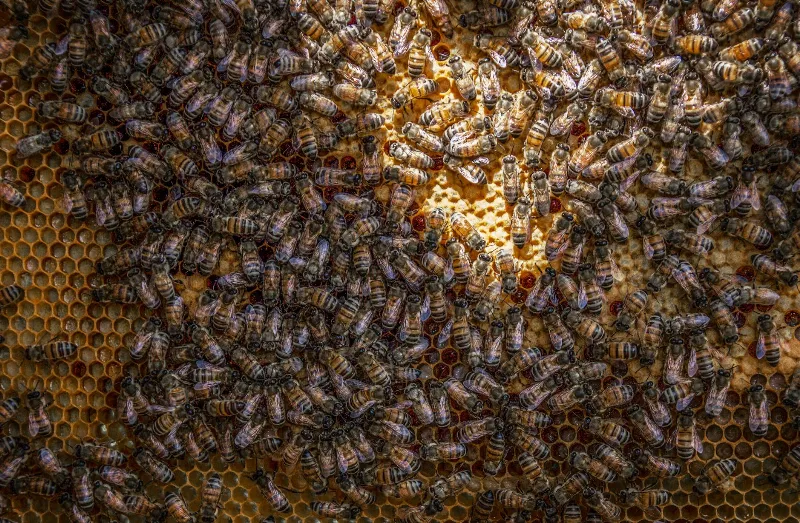
Did you know that bees perform a unique dance to convey information about food sources? This dance, known as the 'waggle dance,' directs other bees to flowers by indicating both distance and direction. The intensity and duration of the dance reflect the quality of the food source, showcasing their ability to communicate complex information.
Whales and Their Songs
Whales are also remarkable communicators, using songs that can travel for miles underwater. These songs are not just random sounds; they are structured and can evolve over time. Male humpback whales, for example, sing intricate melodies during mating season, potentially to attract females or establish dominance. Their songs can last for hours, providing insight into their social structure and behaviors.
Birds and Their Calls
Birds have a vast range of vocalizations that serve different purposes. For instance, the common blackbird has about 20 distinct calls, each with a specific meaning. Some calls warn of predators, while others attract mates or signal territory. This diversity in communication highlights how birds adapt their sounds to their social needs.
Interspecies Communication
Interestingly, some animals can even communicate with different species. Dogs, for instance, can understand human gestures and vocal commands better than any other animal. This ability suggests a unique bond between humans and dogs, highlighting how communication can transcend species barriers.
Conclusion
Animal communication is a rich and varied field that challenges our understanding of intelligence in the animal kingdom. Whether through dance, song, or vocal calls, animals possess methods of interaction that are as intricate as any human language.
Hungry for more?
Explore thousands of insights across all categories.
