
Human Brain Uses Energy More Efficiently Than Computers

Brain Power: A Study in Efficiency
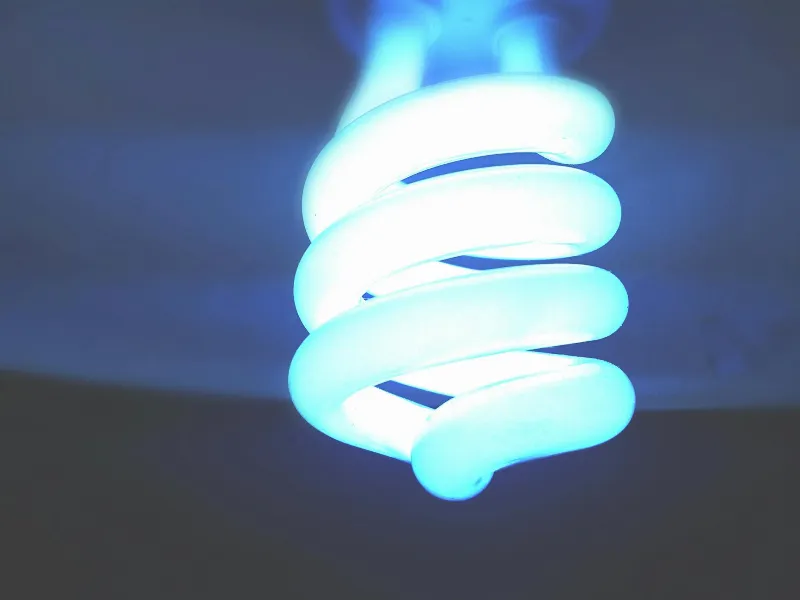
Operating on a mere 20 watts, the human brain's energy usage is astonishingly low compared to standard computers, which can consume hundreds of watts. This efficiency allows our brains to perform complex cognitive tasks, such as reasoning, learning, and problem-solving, all while using less power than a dim light bulb. The implications of this efficiency are profound, influencing everything from artificial intelligence design to understanding human cognition.
Neural Networks vs. Computer Architecture
The architecture of the human brain is fundamentally different from that of computers. While computers rely on linear processing and binary calculations, the brain employs complex networks of neurons that communicate simultaneously. This parallel processing capability enables the brain to handle vast amounts of information quickly and efficiently. Moreover, the brain's ability to adapt and rewire itself, known as neuroplasticity, further enhances its efficiency in processing and storing information.
Implications for Technology
Understanding how the brain achieves such energy efficiency could revolutionize technology. Researchers are exploring how insights from neural processing can enhance artificial intelligence systems, potentially leading to machines that mimic the brain's efficiency. This could pave the way for advancements in computing power while reducing energy consumption, aligning with global sustainability goals.
As we continue to explore the marvels of the human brain, its remarkable efficiency serves as a benchmark for future technologies, pushing the boundaries of what we consider possible in computing and artificial intelligence. The human brain, with its intricate design and low energy requirements, remains a source of inspiration for technological innovations.
Hungry for more?
Explore thousands of insights across all categories.
