
Animals That Can Spot Their Reflection Like Humans
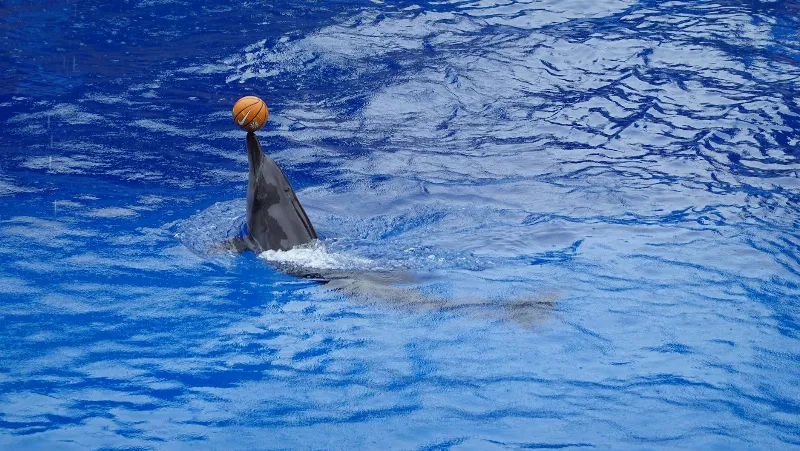

Self-Recognition in the Animal Kingdom
Only a handful of species possess the ability to recognize themselves in a mirror, a phenomenon traditionally associated with human cognition. This self-awareness is a strong indicator of advanced cognitive abilities, suggesting a level of consciousness that allows animals to understand their place in the world. Notably, species such as great apes, dolphins, elephants, and some birds exhibit this remarkable trait.
Mirror Test: A Gateway to Understanding
The mirror test, developed by psychologist Gordon Gallup Jr. in 1970, evaluates an animal's self-awareness by observing its behavior in front of a mirror. If an animal uses the mirror to investigate a mark placed on its body, it indicates recognition of itself. While humans pass this test at about 18 months old, other species show varied results:
- Great apes, including chimpanzees and orangutans, often recognize their reflections.
- Elephants have demonstrated the ability to use mirrors to inspect themselves.
- Certain magpies have also passed the mirror test, showcasing their cognitive complexity.
This ability to recognize oneself has profound implications for understanding animal intelligence and consciousness. It challenges the traditional view of human superiority and opens doors to further study in animal behavior and cognition.
As researchers delve deeper into the cognitive abilities of various species, the findings could reshape our understanding of consciousness in the animal kingdom. The diverse reactions to reflections may not only reveal intelligence but also reflect the emotional and social complexities of these creatures.
Hungry for more?
Explore thousands of insights across all categories.
